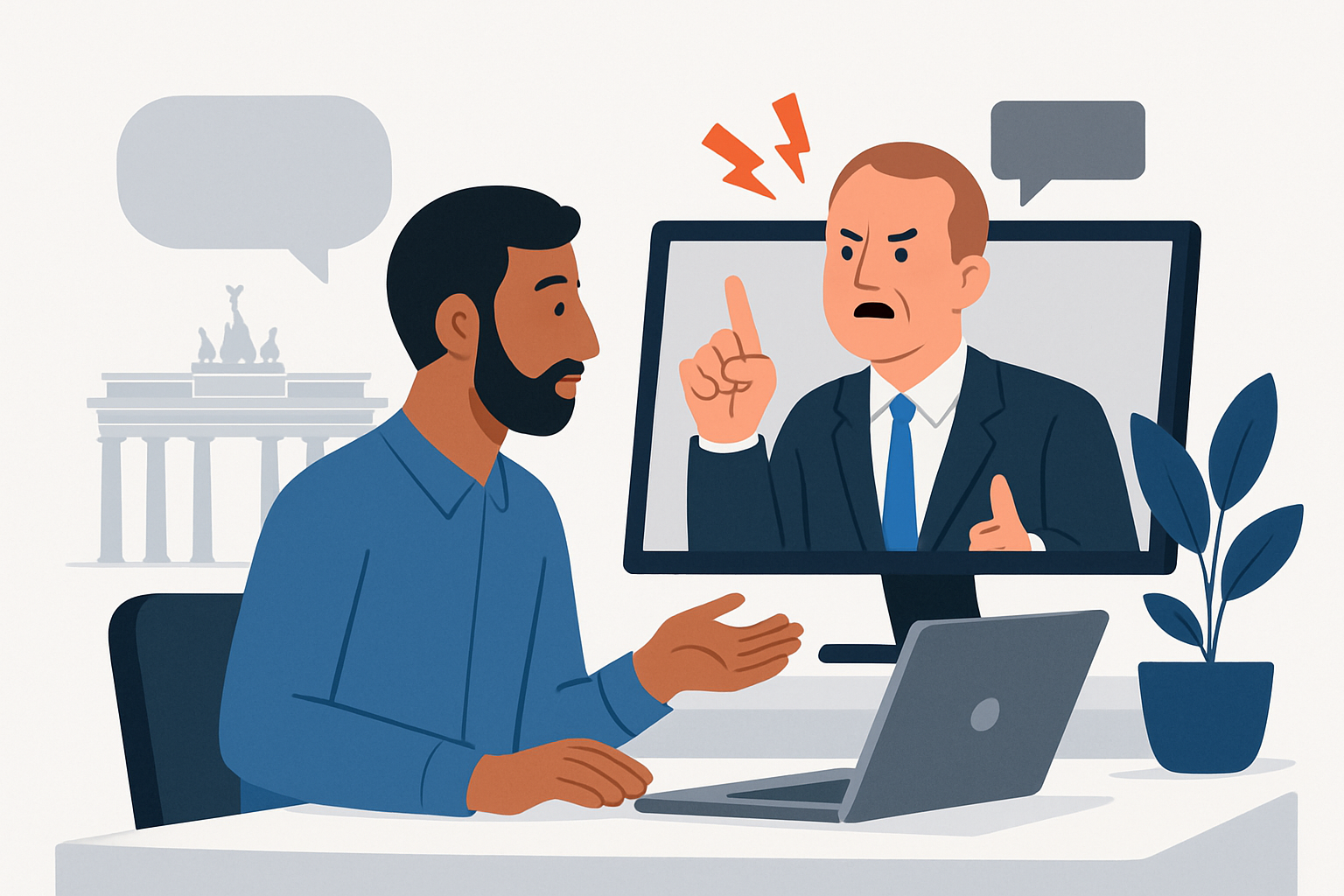

How to Handle Difficult Clients as a Freelancer in Germany
To handle difficult clients as a freelancer in Germany, establish written scope boundaries, require upfront milestone payments, and document all communications in formal yet respectful language. These steps align with local business expectations while protecting your income and preventing misaligned project expectations.
Why German Clients Can Be Challenging
German business culture prioritises efficiency, accuracy, and systematic processes. While these characteristics foster reliable long-term partnerships, they can create friction when expectations shift mid-project or feedback appears rigid. Understanding how German stakeholders operate allows you to navigate conversations with confidence rather than confusion.
Precision Over Pleasantry
German decision makers typically favour factual reporting over relationship building. Emails centre on deliverables, technical specifications, and measurable outcomes rather than casual rapport. When feedback feels blunt, interpret it as a request for clarification instead of personal criticism. Responding with structured data, clear timelines, and alternative solutions usually resolves tension within twenty four hours.
The Expectation of Formality
Professional titles and consistent naming conventions remain highly valued in German corporate environments. Addressing managers by their academic or industry credentials demonstrates respect and reduces unnecessary friction. Avoid informal messaging habits like weekend messages or casual voice notes unless explicitly requested. Maintaining a professional channel reinforces your credibility and establishes a clear operational standard that discourages boundary testing.
Establishing Clear Boundaries Before Work Begins
Proactive boundary setting prevents most client conflicts before they escalate. Documenting expectations creates a shared reference point that both parties must honour throughout the engagement. This approach also filters out mismatched opportunities early, conserving valuable time and mental resources for high quality partnerships.
Mastering the Freelance Agreement
A comprehensive contract should outline payment schedules, revision caps, termination conditions, and intellectual property transfers. German freelancers benefit from referencing industry standards such as the HOAI fee structure or current VAT regulations where applicable. Clearly stating your working hours and response windows prevents after hour demands and protects your availability for other accounts. If you seek consistent engagements without constant outreach, explore verified jobs in Germany through DrJobPro to connect with employers who respect structured arrangements.
Defining Scope and Revision Limits
Projects frequently expand beyond original requirements, which drains resources and delays other commitments. Specify exactly what falls inside your base rate and charge additional fees for any out of scope requests. Require written approval before implementing features, designs, or structural changes that deviate from the initial brief. This practice maintains transparency while safeguarding your profit margins and production capacity.
Communication Tactics That De-Escalate Tension
Consistent, structured communication reduces misunderstandings and builds mutual trust. Even when disagreements arise, a calm and methodical approach keeps the conversation productive. Documenting every update ensures that both sides share the same factual baseline before decisions are made.
Structured Check-Ins and Documentation
Schedule weekly progress meetings with predefined agendas and recorded action items. Send recap emails within twenty four hours to confirm next steps, assign responsibilities, and note pending approvals. This routine minimises assumptions and creates an audit trail for future reference. When disputes occur, referencing shared documentation often clarifies expectations without requiring lengthy negotiations or external mediation.
Navigating Feedback Without Losing Momentum
Constructive criticism requires emotional detachment and systematic problem solving. Break down feedback into specific, actionable points and respond with proposed solutions rather than defensiveness. Ask clarifying questions when instructions lack detail, and provide three ranked options to accelerate executive decision making. Frequent updates prevent last minute surprises and keep stakeholders aligned with your timeline and quality standards.
Leveraging Local Regulations and Payment Security
Financial protection remains a cornerstone of sustainable freelance work in Germany. Late payments and vague invoicing practices can disrupt cash flow if left unaddressed. Understanding statutory requirements and utilising secure channels ensures you receive compensation promptly while maintaining full regulatory compliance.
Understanding Invoice Terms in Germany
German companies follow strict procurement cycles, meaning invoices must include precise reference numbers, correct tax identifiers, and matching purchase order codes. Submitting accurate documentation on time significantly reduces administrative delays. Include clear payment terms such as net thirty days and specify late fee policies within your agreement. Consistent follow up procedures during the final week of the payment window maintain steady cash flow and reinforce professional accountability.
Using Platforms to Protect Your Income
Escrow services and milestone based payouts reduce exposure to non payment risks. Many international and regional marketplaces now offer built in dispute resolution mechanisms tailored to European tax and compliance standards. When searching for reliable opportunities across europe, browse freelance and remote jobs on DrJobPro to find engagements with verified budget allocations. Platform backed contracts also streamline cross border payments while keeping your professional reputation intact.
Knowing When to End the Relationship Professionally
Not every partnership warrants continued investment, especially when core values clash or payment reliability falters. Recognising the right moment to step away protects your mental health and preserves future earning potential. Exit strategies should prioritize professionalism and documented justification rather than emotional reactions.
Draft a polite termination letter referencing contractual clauses and outstanding deliverables. Set a firm cutoff date for final submissions and return all proprietary materials promptly. Offer a smooth transition plan to demonstrate goodwill even as the collaboration concludes. Most reasonable clients appreciate clear closure over prolonged uncertainty, and a respectful exit leaves the door open for future referrals or repeat collaborations.
Building a Resilient Freelance Practice for 2026
Long term success depends on diversification, continuous skill development, and strategic positioning. Markets evolve rapidly, and adaptable freelancers capture opportunities while avoiding dependency on single high maintenance accounts. Strengthening your operational framework creates stability regardless of client volatility or economic shifts.
Diversifying Your Client Base
Relying on one or two major clients increases vulnerability to sudden cancellations or departmental budget cuts. Maintain a balanced portfolio that includes startups, mid size enterprises, and established corporations across different sectors. Regularly review revenue sources and adjust acquisition efforts to sustain healthy distribution. Searching for new roles through reliable channels helps you identify organisations with stable hiring cycles and predictable project pipelines.
Upgrading Your Professional Presence
A polished digital footprint reinforces credibility and attracts quality partners automatically. Update your portfolio with recent case studies that highlight problem solving, measurable results, and cross functional collaboration. Optimise your online profiles for keywords relevant to your specialty and engage thoughtfully within professional networks. Creating a free profile on DrJobPro centralises your credentials while connecting you with employers who value transparent working relationships and structured delivery models.
Frequently Asked Questions
What is the legal requirement for freelance contracts in Germany?
German law does not mandate written agreements for all freelance work, but a signed contract is strongly recommended to define scope, payment terms, and liability. Written documentation protects both parties and provides enforceable proof during disputes.
How quickly must German companies pay freelance invoices?
Standard payment terms in Germany range from fourteen to thirty days after invoice receipt, though net forty five or net sixty periods are also common. Contracts should explicitly state due dates and late payment penalties to ensure timely compensation.
Can foreign freelancers legally work with German clients in 2026?
International contractors may provide services remotely without establishing a physical presence, provided they comply with tax obligations in their home country and issue proper cross border invoices. Consulting a qualified tax advisor ensures full regulatory alignment for digital service provision.