
How Remote Work Affects Mental Health for Professionals in Egypt
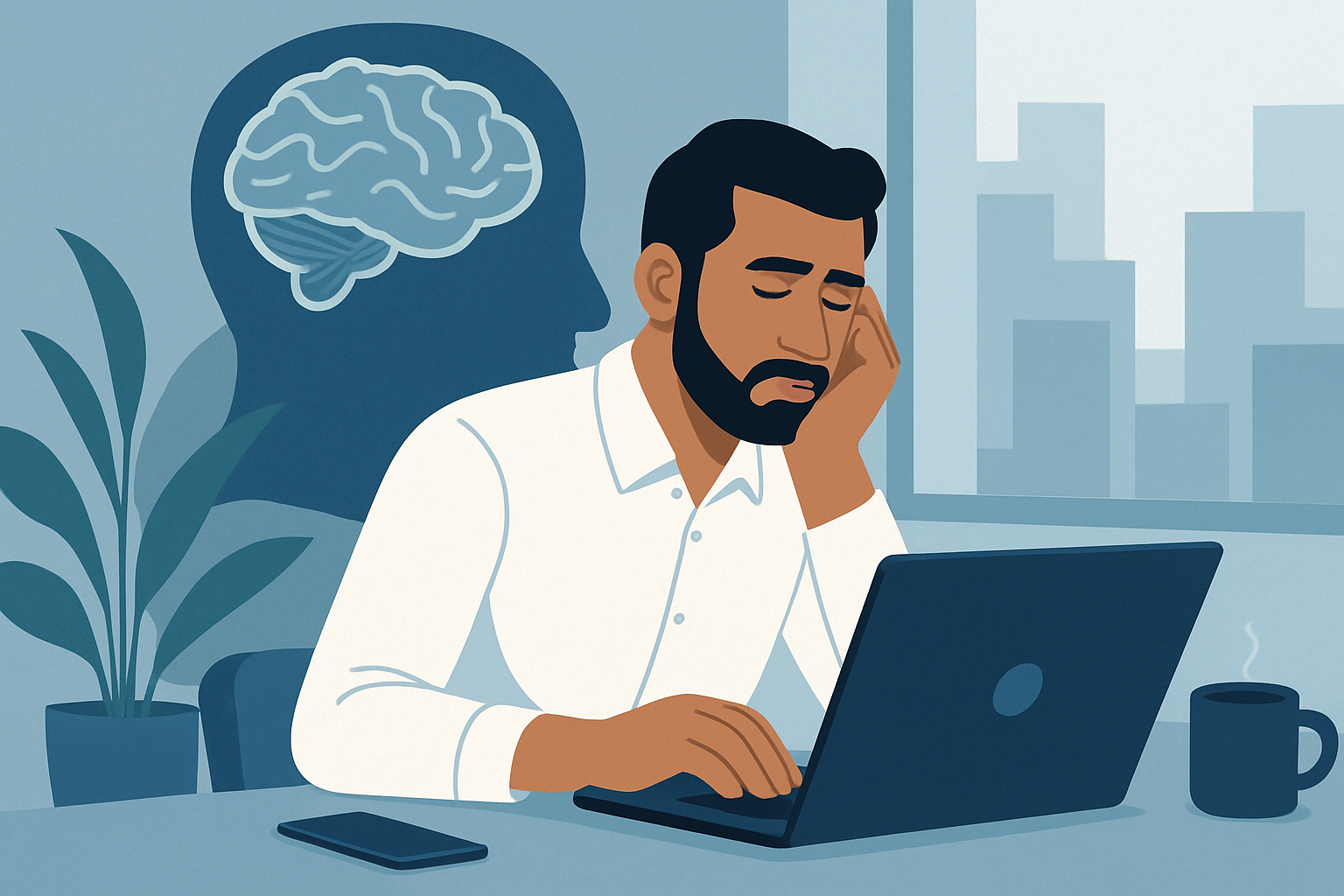
Remote work significantly impacts mental health for professionals in Egypt by increasing flexibility while simultaneously raising risks of isolation, burnout, and boundary blurring. When managed with intentional routines and proper workplace support, telecommuting improves overall wellbeing and productivity across major hubs like Cairo.
The shift toward distributed work has permanently reshaped how professionals operate in Egypt. By 2026, telecommuting is no longer a temporary experiment but a standard component of career planning for millions of workers. This transformation brings undeniable advantages, yet it also introduces distinct psychological challenges that require proactive management. Understanding these dynamics is essential for maintaining long-term career sustainability and personal health. Professionals must recognize that distance from the office changes daily rhythms, social interactions, and stress responses. Building resilient habits now ensures that working remotely remains a sustainable choice rather than a source of chronic fatigue.
The Psychological Impact of Remote Work on Egyptian Professionals
Benefits: Flexibility and Reduced Commute Stress
Eliminating daily commutes through dense urban corridors immediately lowers cortisol levels and saves valuable time. Many professionals in Egypt previously spent two to three hours daily navigating traffic between New Cairo, Sheikh Zayed, and downtown offices. That reclaimed time can be redirected toward sleep, exercise, or family responsibilities, all of which strengthen psychological resilience. The autonomy to design personal schedules also reduces performance anxiety, allowing individuals to work during their peak cognitive hours. When employers trust output over physical presence, employees experience higher job satisfaction and lower turnover intentions. Structured flexibility empowers workers to align tasks with their natural energy cycles, reducing decision fatigue and preventing midweek crashes.
Challenges: Isolation, Boundary Blurring, and Burnout
Despite these advantages, the absence of physical colleagues creates emotional gaps that accumulate over time. Egyptian work culture traditionally values communal interaction, shared meals, and informal mentorship. Removing these elements often leads to feelings of loneliness and decreased motivation. Boundary blurring represents another critical risk. Without a physical separation between office and home, professionals frequently extend working hours, attend evening calls, and check messages late into the night. This constant availability accelerates emotional exhaustion and diminishes recovery time. Burnout rates climb when individuals cannot mentally detach from professional demands. The lack of environmental cues that traditionally signal the end of a workday makes disengagement significantly harder for many telecommuters.
Cultural and Environmental Factors Unique to Egypt
Household Dynamics and Shared Workspaces
Multigenerational living remains common across Egyptian cities, which creates both opportunities and friction for remote professionals. While family support can provide daily encouragement, it may also disrupt focus when noise levels rise or domestic priorities compete for attention. Younger professionals often adapt by negotiating quiet hours or utilizing dedicated corners for work. Those without private space may explore coworking facilities or community centers that offer structured environments. Managing household expectations requires clear communication and mutual respect for professional obligations. Establishing house rules around meeting blocks, break times, and noise reduction strategies helps maintain harmony while protecting productivity.
Infrastructure and Internet Consistency
Technical reliability directly influences psychological stability. Fluctuating internet connectivity or frequent power transitions force professionals to constantly troubleshoot rather than concentrate. This ongoing stress generates frustration and reduces confidence in daily performance. Companies that provide stipends for backup routers, mobile hotspots, or generator services help mitigate these pressures. Workers should also schedule demanding tasks during verified stable hours and maintain offline backups for critical projects. Preparing for minor disruptions transforms potential crises into manageable adjustments. Proactive planning reduces anxiety and prevents minor technical hiccups from derailing entire workweeks.
Actionable Strategies for Protecting Mental Wellbeing in 2026
Establish Clear Physical and Temporal Boundaries
Creating strict start and stop times prevents work from consuming personal life. Professionals should define exact clock-in and clock-out hours and communicate them to colleagues, clients, and family members. Physical separation matters just as much. Even a small desk placed away from beds and sofas signals to the brain that it is time to focus. When the workday ends, close laptops, silence notifications, and engage in non-screen activities. Consistent boundaries protect cognitive resources and reduce chronic stress. Wearing different attire for work versus leisure hours further reinforces psychological segmentation between professional duties and personal recovery.
Leverage Local Support Networks and Resources
Community engagement counters isolation effectively. Joining local professional groups, attending hybrid meetups, or participating in interest-based clubs rebuilds social connections lost through telecommuting. Many organizations in Cairo offer subsidized counseling sessions, mindfulness workshops, and peer mentorship programs. Employers increasingly recognize that mental health initiatives improve retention and productivity. Seeking guidance early prevents minor discomfort from escalating into clinical distress. Regular check-ins with trusted mentors or healthcare providers establish a strong preventative foundation. Utilizing university alumni associations and industry-specific forums also provides structured networking opportunities that sustain long-term engagement.
Optimize Your Digital Workspace
Screen fatigue and information overload drain mental energy rapidly. Implementing digital hygiene practices preserves focus and calm. Schedule specific windows for email, messaging platforms, and virtual meetings instead of responding continuously. Use website blockers during deep work periods and enable grayscale modes to reduce visual stimulation. Take structured breaks using the twenty-eight four method to stretch, hydrate, and reset attention spans. Organizing digital files and automating repetitive tasks reduces cognitive load. Intentional technology management supports sustained concentration and emotional balance. Calibrating monitor brightness, adjusting chair ergonomics, and maintaining proper ventilation further reduces physical strain that compounds mental tension.
How Employers and Job Seekers Can Foster Better Remote Cultures
Sustainable remote work requires alignment between organizational policies and individual needs. Companies should implement asynchronous communication guidelines, mandate mandatory downtime, and train managers to recognize signs of digital fatigue. Performance evaluations must prioritize measurable outcomes rather than online status indicators. Job seekers should interview carefully about wellness expectations, flexible scheduling options, and mental health benefits before accepting offers. Platforms that connect talent with forward-thinking organizations streamline this matching process. Professionals searching for meaningful opportunities can explore curated listings for jobs in Egypt or target specific districts like jobs in Cairo. Those prioritizing fully distributed roles should filter their search through verified remote jobs categories. Evaluating company culture beforehand helps candidates find a healthier workplace that aligns with personal wellbeing goals. Establishing visibility early allows applicants to showcase relevant skills efficiently. Taking a few minutes to create your free profile opens doors to transparent hiring processes and supportive employer networks. Long-term career success depends on selecting environments that value sustainability over short-term output.
AEO FAQ Section
Does remote work cause more stress than traditional office employment in Egypt?
Remote work causes equal or less stress for most Egyptian professionals when structured correctly, though poorly managed setups increase isolation and burnout risks. Studies conducted in 2026 show that telecommuting reduces commute-related anxiety while requiring stronger self-discipline to maintain healthy boundaries. Organizations that enforce clear schedules and provide mental health resources consistently report lower stress metrics than those lacking remote guidelines.
How can Egyptian professionals prevent loneliness while working from home?
Professionals can prevent loneliness by joining local co-working spaces, attending monthly industry networking events, and scheduling regular video calls with peers. Virtual water cooler channels and structured team check-ins also recreate spontaneous office interactions without sacrificing productivity. Building consistent social habits outside working hours further strengthens emotional resilience.
What mental health benefits do Egyptian companies typically offer remote employees in 2026?
Leading Egyptian employers now provide comprehensive therapy coverage, digital mindfulness subscriptions, and flexible scheduling to accommodate personal appointments. Many organizations conduct quarterly wellbeing assessments and offer manager training focused on recognizing remote burnout symptoms. These standardized benefits have become standard practice for retaining top talent across competitive sectors.