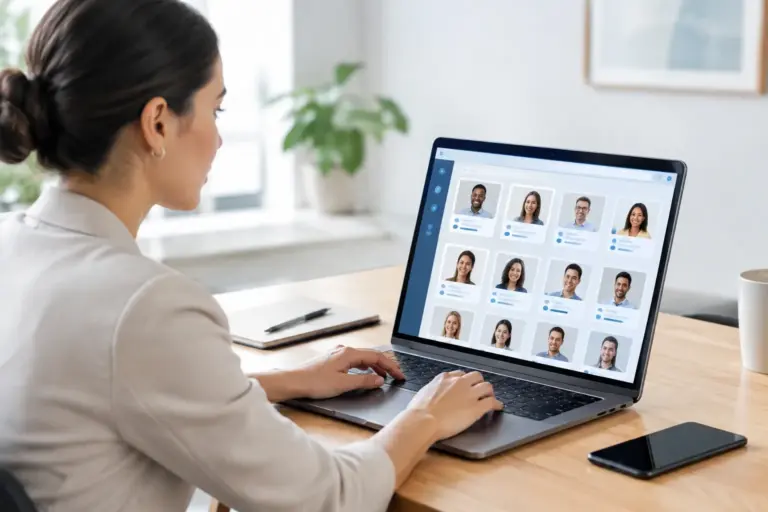

A first remote role is rarely about having a perfect background. It is about showing an employer that you can communicate clearly, manage your work, and learn their systems without constant supervision. The best remote jobs for beginners build on skills you may already use in school, retail, hospitality, administration, or personal projects – then give you a realistic path to stronger pay and responsibility.
Remote work is competitive, so the strongest starting point is not applying to every work-from-home listing. It is choosing roles that match your current strengths, tailoring your resume to the job requirements, and presenting proof that you can be dependable in a distributed team.
What Makes a Remote Job Beginner-Friendly?
A beginner-friendly remote job does not always mean no experience required. More often, it means the employer provides training, uses repeatable processes, and values transferable skills alongside formal work history. Look for job descriptions that mention onboarding, templates, clear performance expectations, team support, or entry-level titles.
The trade-off is that many starter roles involve structured tasks, customer interaction, or performance metrics. That is not a drawback if you use the role strategically. A year of remote experience can demonstrate the habits that future employers want: meeting deadlines, using collaboration tools, documenting work, and solving problems independently.
Be cautious with listings that promise unusually high earnings for simple tasks, request payment before hiring, or communicate only through informal channels. Legitimate employers explain the role, interview candidates, and provide clear information about compensation and employment terms.
12 Best Remote Jobs for Beginners
1. Customer Service Representative
Customer service is one of the most accessible routes into remote work. You may answer customer questions by phone, email, or chat, resolve basic account issues, and document each interaction in a company system. Employers often train new hires on products and procedures.
Success depends on patience, writing clarity, active listening, and the ability to stay calm when a customer is frustrated. Candidates with retail, restaurant, front-desk, or call center experience should highlight those skills, even if the work was not remote.
2. Virtual Administrative Assistant
Virtual assistants help teams stay organized by managing calendars, preparing documents, scheduling meetings, updating records, and handling routine communication. Small businesses and busy departments frequently need reliable support, making this a practical entry point for organized candidates.
You do not need to know every office platform before applying, but you should be comfortable learning new software quickly. Strong attention to detail matters because a missed appointment or incorrect file can affect an entire team.
3. Data Entry Specialist
Data entry roles focus on adding, reviewing, and maintaining information in spreadsheets, databases, or internal systems. The work is detail-heavy and can be repetitive, but it is a solid fit for beginners who prefer focused, independent tasks.
Accuracy is more valuable than speed alone. In your application, point to examples of handling inventory, records, schedules, invoices, forms, or spreadsheets. Those experiences show that you can work carefully with information.
4. Appointment Setter
Appointment setters contact qualified prospects, explain the reason for the call or message, and schedule meetings for sales or service teams. Some roles are hourly, while others include commission or performance incentives.
This job is a good match for candidates who are comfortable speaking with new people and following a script without sounding robotic. It can lead to sales development, account management, or customer success roles, but review compensation details closely before accepting an offer.
5. Remote Sales Development Representative
A sales development representative, often called an SDR, identifies potential customers and starts conversations that create opportunities for a sales team. Entry-level employers may provide product training, messaging frameworks, and coaching.
The work requires resilience because not every contact will respond. Still, it can be a strong career accelerator for beginners who enjoy goals, communication, and measurable progress. Emphasize any experience persuading, assisting, or guiding customers toward a decision.
6. Junior Recruiter or Recruiting Coordinator
Recruiting coordinators help keep the hiring process moving. Typical tasks include scheduling interviews, updating candidate records, sending follow-up messages, and supporting recruiters with administrative work. Junior recruiter roles may also involve candidate outreach and early screening conversations.
This path suits candidates with strong organization and communication skills. It also provides a close view of what employers look for in applications, interviews, and professional follow-through.
7. Online Tutor
Tutoring can be a flexible remote option if you have a strong grasp of a school subject, language, test topic, or practical skill. Depending on the employer, you may work with students one-on-one, follow an established curriculum, or provide feedback on assignments.
A degree is useful for some subjects, but it is not the only route. Clear explanations, patience, preparation, and an ability to adjust to different learning styles can be equally valuable. Be specific about the subjects and age groups you can support.
8. Content Editor or Proofreader
If you have strong grammar and an eye for detail, entry-level proofreading and editorial support can be a fit. Tasks may include reviewing documents for errors, applying style guidelines, formatting copy, and checking that information is consistent.
This work is not just about catching typos. Employers need people who can follow instructions and protect accuracy. Create a small portfolio with clean writing samples or before-and-after edits to make your abilities visible.
9. Transcriptionist
Transcriptionists turn recorded audio into written documents. The role requires fast, accurate typing, strong listening skills, and comfort researching unfamiliar terminology when necessary. It is often project-based, which can work well for people building experience while balancing other commitments.
Audio quality and subject complexity affect how quickly you can complete a project. Before applying, practice with short recordings and track both your accuracy and turnaround time.
10. Billing or Accounts Receivable Assistant
Businesses need support with invoices, payment records, account updates, and customer billing questions. Entry-level billing roles can be a smart option for beginners who enjoy organized, process-based work and want exposure to finance operations.
Basic spreadsheet knowledge helps, as does discretion when handling customer information. Experience with cash registers, receipts, inventory systems, or office administration can strengthen your case.
11. Quality Assurance Tester
Entry-level quality assurance testers review websites, applications, or digital products to identify errors and document how to reproduce them. You do not need to be a software engineer to start in every QA role, although technical knowledge expands your options over time.
Employers value careful observation and clear documentation. A useful starting project is testing a familiar app or website and writing concise bug reports that describe what happened, what you expected, and the steps taken.
12. Operations Assistant
Operations assistants support the behind-the-scenes work that keeps a company functioning. The day may include updating trackers, coordinating requests, preparing reports, organizing documents, and following established workflows across teams.
This role is broad, which is its advantage. It lets beginners build experience in systems, communication, and project coordination while discovering whether they want to move toward administration, project management, finance, or people operations.
How to Compete for Entry-Level Remote Roles
Employers cannot observe your work habits in person, so your application has to make reliability easy to see. Start by matching your resume to the language in the job description. If a role asks for scheduling, customer communication, spreadsheet updates, and attention to detail, show evidence of those exact capabilities in your experience section.
Do not undersell nontraditional experience. Coordinating a student organization, managing shifts, helping customers, completing a certification project, or maintaining records can all demonstrate relevant skills. Focus on outcomes: the volume of requests handled, the accuracy you maintained, the process you improved, or the time you saved.
Your resume should also be ATS-friendly. Use standard section headings, readable formatting, and role-specific keywords without forcing them into every line. A targeted resume is more effective than a generic document sent to dozens of unrelated jobs.
Before an interview, prepare examples that show how you prioritize tasks, communicate when you are stuck, and stay accountable without close supervision. Remote hiring managers often care less about whether you have used their exact software and more about whether you can learn it, ask thoughtful questions, and keep work moving.
Build a Faster, More Focused Search
Begin with two or three job paths rather than all 12. This makes it easier to build a credible resume, practice relevant interview answers, and recognize the right openings when they appear. For example, a customer-facing candidate may focus on customer service, appointment setting, and recruiting coordination, while a detail-oriented candidate may target data entry, billing, and operations support.
Use job filters for remote location, entry-level experience, employment type, and relevant titles. Then set a repeatable weekly target for quality applications. Dr.Job can help streamline that process with job discovery and AI tools for improving resumes and preparing for interviews, but the strategy still matters: apply where your experience has a clear connection to the work.
Your first remote job does not need to define your entire career. It needs to give you evidence of what you can do from anywhere. Choose a role that fits your strengths, show employers you are ready to contribute, and let each completed project become proof for the opportunity after it.