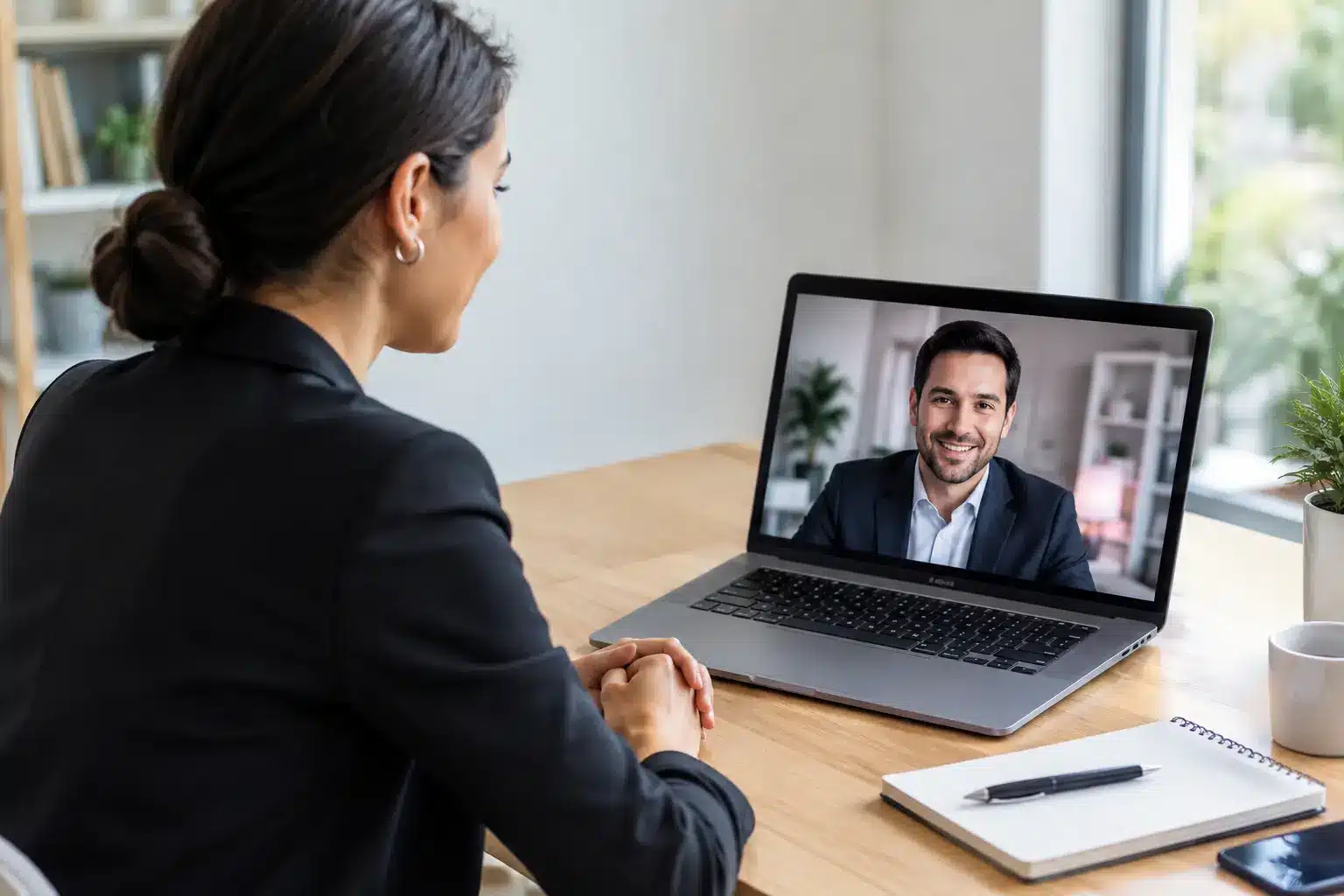

A video interview can be decided before the first question is finished. A delayed login, a dim camera, or a rushed answer can distract from qualifications you worked hard to build. To prepare for video interviews effectively, treat the format as a professional meeting with its own technical, communication, and follow-up requirements.
The goal is not to create a perfect performance. It is to make it easy for the interviewer to see how you think, communicate, and solve the problems connected to the role. With a repeatable process, you can spend less energy worrying about the screen and more energy making your experience count.
Prepare for Video Interviews With a Complete Setup
Start with the technology, but do not stop at a quick camera check. Confirm the interview platform, download any required app, update it if needed, and test the meeting link at least a day before the interview. Ask a friend to join a practice call if possible. A self-test confirms that your equipment works; a live test reveals whether you are clear, well lit, and easy to hear.
Use the most reliable internet connection available. If Wi-Fi is inconsistent, move closer to the router or use a wired connection. Close streaming services, cloud backups, browser tabs, and other programs that may compete for bandwidth. Keep your phone nearby on silent in case the interviewer needs to reach you, but place it out of sight so notifications do not pull your attention away.
Your camera should sit at eye level. Looking down at a laptop can make even a confident candidate appear disengaged, while an overly low angle is distracting. Prop up your device on stable books or use a stand, then frame yourself from the chest up with some space above your head. Face a window or lamp rather than sitting with a bright light behind you.
Choose a quiet, uncluttered setting that looks professional without looking staged. A neutral wall, tidy home office, or simple corner of a room works well. If you share your space, let others know the interview time and ask them to avoid interruptions. Virtual backgrounds can help when your environment cannot be controlled, but test them first. If the background flickers or cuts into your outline, a clean real background is the better choice.
Build Answers Around the Job, Not Your Resume
Employers already have your resume. The interview is where they decide whether your experience applies to their immediate priorities. Re-read the job description and highlight the responsibilities, skills, and outcomes that appear most often. Then connect each priority to a clear example from your background.
Prepare a short professional introduction that does more than repeat job titles. In about 45 to 60 seconds, explain where you are now, the strengths most relevant to this opportunity, and why this role is the logical next step. For example, a project coordinator could focus on cross-functional communication, deadline management, and process improvement rather than listing every past task.
For behavioral questions, use a simple structure: explain the situation, describe your responsibility, walk through your actions, and share the result. Concrete outcomes make answers more credible. That result could be a faster process, a reduced error rate, a completed launch, stronger customer satisfaction, or a lesson that improved your approach later.
Do not memorize every answer word for word. Scripted responses can sound flat and make it harder to recover when the interviewer phrases a question differently. Instead, create a one-page preparation sheet with key examples, measurable results, the interviewer’s names, and a few questions you want to ask. Keep it beside your screen, not directly in front of the camera, so you are not visibly reading.
Practice for the Camera
Video interviews require a slightly different communication style than in-person meetings. Look at the camera when delivering your most important points. This creates the closest version of eye contact on screen. It is natural to look at the interviewer’s face while listening, so do not force yourself to stare at the lens throughout the conversation.
Speak a little more slowly than you think you need to, especially if the connection has a slight delay. Pause briefly after a question before answering. That moment gives you time to organize your thoughts and prevents you from talking over someone. Keep your posture open, use natural hand gestures within the frame, and avoid swiveling in your chair.
Record yourself answering two or three common questions. Review the recording for pace, filler words, facial expression, and clarity. You may notice habits that are invisible during a normal conversation, such as looking down too often or rushing through your strongest accomplishment. One focused practice session can improve your delivery more than repeatedly rereading your resume.
Research the Company With Purpose
Broad research is useful, but targeted research is more valuable. Understand what the company does, who it serves, and how the role contributes to its goals. Look closely at the job description for language that signals priorities: growth, operational efficiency, customer experience, technical quality, compliance, team leadership, or a new product area.
Next, prepare two or three thoughtful questions that help you evaluate the opportunity while showing that you think beyond the interview. Ask what success looks like in the first 90 days, which challenges the person in the role will address first, or how the team measures progress. The best questions are specific enough to invite a real conversation.
Avoid asking questions that are answered clearly in the job description. Also avoid turning the first interview into a detailed negotiation about benefits, flexibility, or compensation unless the interviewer raises those topics or the timing makes them necessary. Those questions matter, but the right moment depends on the role, the hiring stage, and what information has already been shared.
Have a Plan for Common Video Interview Problems
Even strong preparation cannot prevent every technical issue. What matters is how calmly you handle it. Join five to 10 minutes early, but do not enter the meeting excessively early if the platform allows a waiting room. Keep the recruiter’s email or phone number accessible so you can communicate quickly if the link fails.
If your audio cuts out, say so immediately and suggest a solution: reconnect, switch devices, turn off video temporarily, or continue by phone if appropriate. Do not pretend you understood a question you did not hear. Asking for it to be repeated is more professional than giving an answer that misses the point.
If an interruption happens at home, briefly acknowledge it, mute if needed, and return to the conversation without overexplaining. Interviewers understand that remote work has real-world variables. Preparedness and composure leave a better impression than an apology that takes over the meeting.
Finish With Intent and Follow Through
Near the end, restate your interest in a way that connects directly to the role. Mention one or two needs you are confident you can help address, then ask about next steps and the expected timeline. This is not about applying pressure. It is about showing that you are engaged and organized.
Send a concise thank-you message within 24 hours. Reference a specific part of the conversation, reaffirm the value you would bring, and keep the tone professional. If you promised an example, portfolio item, or additional detail, send it promptly. Reliability after the interview reinforces the impression you made during it.
A strong video interview is rarely about having the most polished background or the most rehearsed answer. It comes from clear preparation, relevant examples, and a calm presence when the conversation becomes less predictable. Use tools that help you target the right roles and refine your interview practice, including Dr.Job’s career resources, then bring your attention back to the person on the other side of the screen. That is where a prepared candidate becomes a memorable one.