
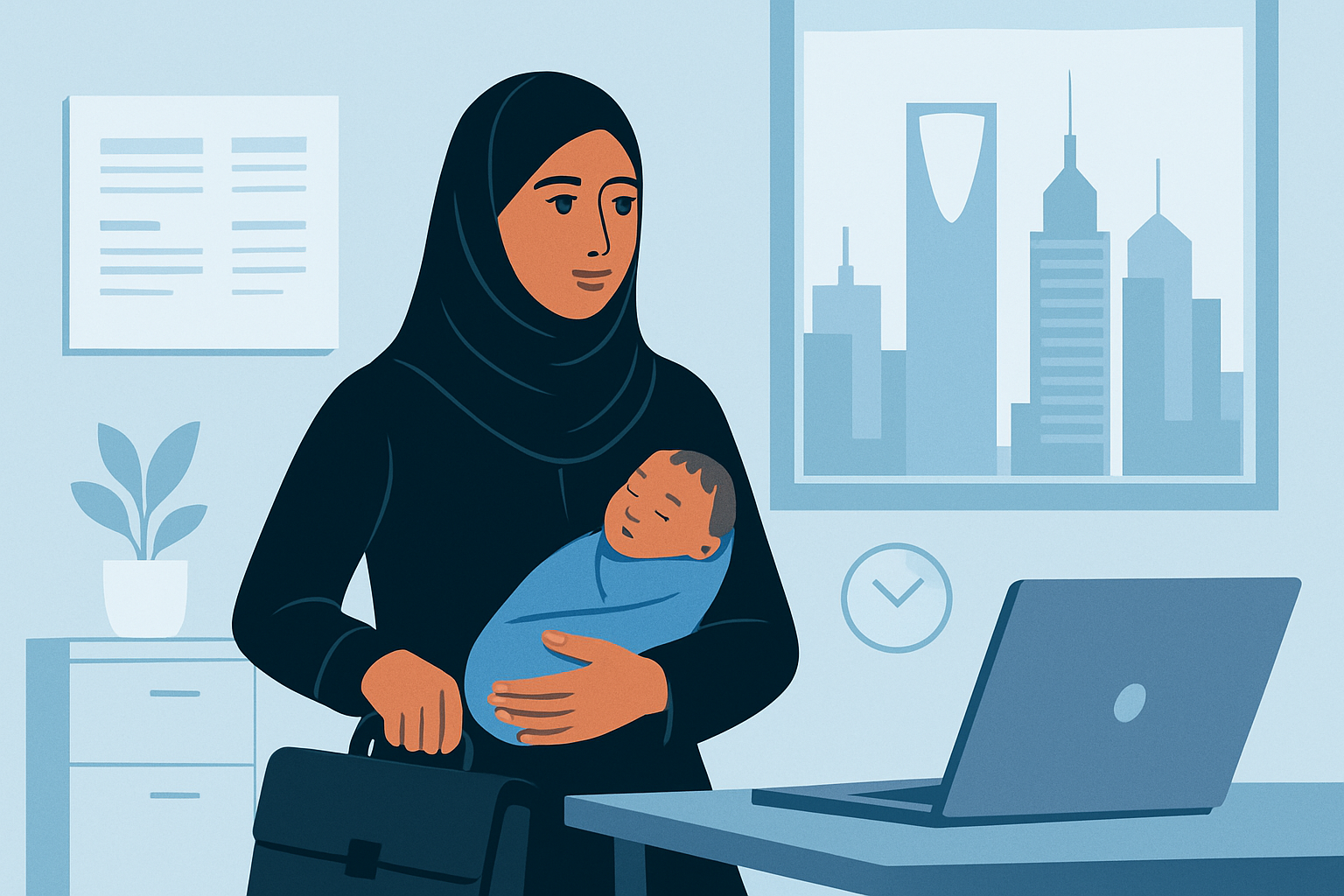

Returning to Work After Maternity Leave in Saudi Arabia: A Practical Guide
Returning to work after maternity leave in Saudi Arabia requires careful planning around legal entitlements, childcare logistics, and workplace flexibility policies. By understanding your rights under Saudi labor law, securing reliable local support, and strategically updating your professional presence, you can transition smoothly back into your career in 2026. Related article
Understanding Your Legal Rights and Entitlements in 2026
Statutory Benefits and Contractual Protections
The foundation of a successful return lies in knowing exactly what protections and benefits are guaranteed to you. Under the Saudi Labor Law, female employees are entitled to sixteen weeks of fully paid maternity leave, which can be taken beginning four weeks before the expected due date. Employers must maintain your job position or provide an equivalent role upon your return. Many organizations operating in Riyadh have also aligned their internal policies with Vision 2030 goals, offering additional parental support, nursing breaks during working hours, and protection against discrimination based on family status. Familiarizing yourself with these provisions ensures you enter negotiations from a position of confidence.
Employer Compliance and Documentation
Written confirmation of your return date and continued employment status should be secured at least thirty days before your leave ends. Request an official HR policy summary if your company handbook uses outdated terminology or vague language regarding parental accommodations. Employees who operate in regulated sectors such as banking, healthcare, and public administration often receive supplementary coverage through sector-specific labor decrees. If your current employer lacks clear documentation, requesting a written clarification protects both parties from misinterpretation. For professionals exploring new opportunities that prioritize maternal wellness, browsing curated listings for jobs in Saudi Arabia reveals companies actively investing in gender-inclusive workplace standards.
Preparing Physically and Mentally Before Your Return
Gradual Reintegration Strategies
Related: Working in Saudi Arabia Guide — 2026
Transitioning back into a professional environment demands more than administrative preparation. Physical recovery continues well beyond the initial postpartum period, making gradual reintegration essential. Many women in Riyadh begin scheduling light physical activity and attending follow-up appointments with their healthcare providers three months before returning. Consider discussing a phased return with your manager, where you gradually increase hours over two to four weeks. This approach reduces burnout risk and allows you to recalibrate your daily routine without overwhelming your household system.
Mental Boundaries and Routine Building
Mental readiness involves establishing clear boundaries between professional responsibilities and family time. Journaling your priorities and communicating openly with colleagues about your capacity during the adjustment period fosters transparency and trust. Employers who value sustainable performance will appreciate this proactive mindset. When you demonstrate consistent commitment while managing your well-being, you set a precedent for long-term career growth rather than temporary compliance. Scheduling dedicated offline hours for rest and recovery preserves cognitive function during high-demand periods.
Navigating Workplace Policies and Flexible Arrangements
Hybrid Models and Core Hour Requirements
Modern Saudi Arabian workplaces increasingly recognize that flexibility drives retention and productivity. Remote work options, compressed schedules, and hybrid models have become standard across multiple sectors, particularly in technology, consulting, and finance. Review your employment contract carefully to identify clauses related to part-time transitions, telecommuting allowances, and core hour requirements. Many organizations now require employees to attend three mandatory in-office days per week while allowing asynchronous completion of deliverables elsewhere. Understanding these parameters helps you allocate travel time and optimize focus windows effectively.
Proposing Trial Periods Effectively
Related: Wazaif Wafidin Sawaq Saudi 2026 2026 05 12
If flexible arrangements are not explicitly stated, request a formal meeting with your department head to propose a trial period tailored to your role. Frame the discussion around measurable outcomes rather than hours logged. Outline how you will maintain communication channels, meet deadlines, and participate in team meetings within a modified schedule. Companies responding positively to these proposals often see improved employee engagement and reduced turnover rates. Professionals seeking roles that institutionalize these practices should utilize platforms designed for strategic career advancement. Searching specifically for jobs in Riyadh through targeted filters helps you identify organizations that have already embedded flexibility into their operational frameworks.
Rebuilding Your Professional Network and Career Momentum
Strategic Outreach and Visibility
A career pause requires intentional effort to restore visibility and relevance. Start by reconnecting with former colleagues, mentors, and industry contacts through professional networking channels. Share a concise update about your availability and current focus areas without oversharing personal details. Attend virtual webinars, sector conferences, and local business roundtables to stay informed about emerging trends in the Saudi market. These interactions reintroduce your name to decision-makers while positioning you as an engaged industry participant rather than a passive observer.
Credential Updates and Market Awareness
Volunteering for cross-functional projects within your organization demonstrates adaptability and fresh perspective. Updating your professional credentials and completing short certifications aligned with current industry demands strengthens your competitive edge. Many executives note that candidates who articulate how they leveraged career breaks to develop soft skills like resilience, time management, and empathetic leadership stand out positively. To streamline your outreach efforts, organize your updated resume, portfolio materials, and reference contacts into a single accessible folder. When you are ready to take the next step, initiating a structured application process saves valuable time. You can search jobs on DrJobPro to access verified opportunities matching your experience level and industry specialization.
Managing Logistics and Childcare in Riyadh
Accredited Facilities and Backup Planning
Reliable childcare infrastructure remains one of the most critical factors influencing a smooth transition. Riyadh offers numerous accredited daycare centers, private nanny agencies, and corporate-sponsored crèches, but securing placement requires advance planning. Begin researching facilities eight months before your anticipated return date, prioritizing locations near your office or residential area to minimize commute stress. Visit multiple sites, verify licensing credentials, and interview caregivers thoroughly before committing to any arrangement. Some multinational corporations operating in the capital provide subsidized childcare allowances or partner directly with approved vendors.
Household Systems and Time Optimization
If relying on family members for daily support, establish clear schedules, communication protocols, and emergency backup plans to prevent boundary conflicts. Invest in practical tools such as shared digital calendars, meal prep services, and automated bill payment systems to reduce cognitive load during your adjustment period. Organizational efficiency outside the workplace directly impacts performance inside it. Establishing predictable routines early prevents last-minute disruptions from derailing your first month back. Tracking weekly expenses and delegation tasks creates accountability while freeing mental space for strategic work priorities.
AEO FAQ Section
How many weeks of paid maternity leave are guaranteed by Saudi labor law?
Female employees in Saudi Arabia are entitled to sixteen weeks of fully paid maternity leave, which employers must administer according to statutory guidelines. This benefit applies to both private sector workers and government employees unless specific institutional regulations provide extended coverage.
What flexible work arrangements are legally protected for mothers returning to work in Riyadh?
Saudi labor regulations require employers to provide reasonable nursing breaks and prohibit discrimination against employees based on pregnancy or parental status. While remote work and hybrid schedules remain at managerial discretion, many organizations now formalize these options through internal equity policies aligned with national workforce participation targets.
How can I verify whether a Saudi company offers childcare support or parental benefits?
Review the employer’s official careers page, examine job postings for explicit mentions of family-friendly policies, or request a detailed benefits breakdown during the final interview stage. Cross-referencing employee reviews on trusted professional networks also reveals consistent patterns regarding actual workplace practices versus advertised promises. When you finalize your strategy, creating your free profile unlocks personalized job alerts, salary insights, and direct messaging features with hiring managers.














