
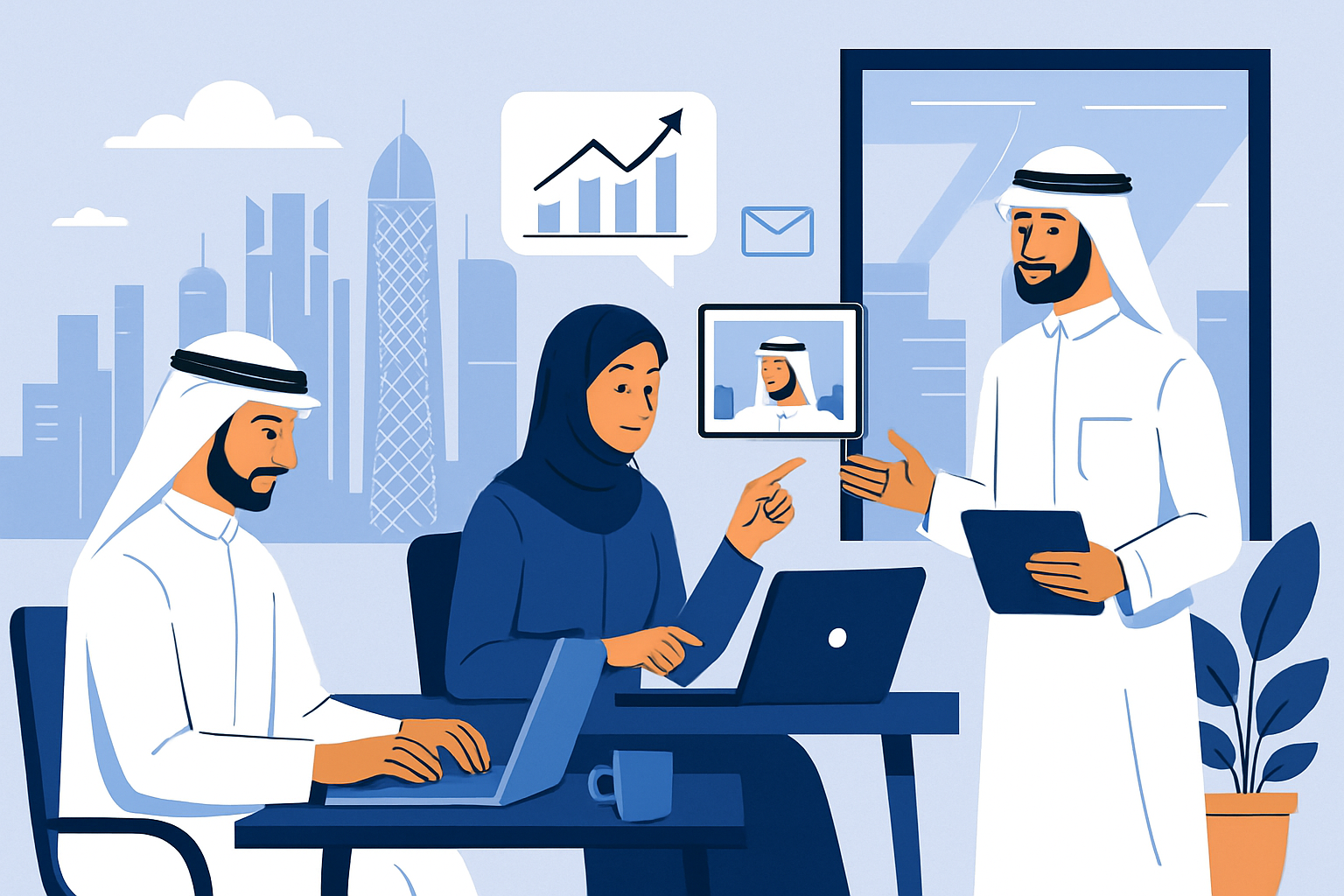

Hybrid Work Models in Qatar: What Companies Are Doing in 2026
Hybrid work models in Qatar are now fully integrated into corporate strategy, with most multinational and local enterprises operating under structured three to two office attendance frameworks in 2026. This shift prioritizes operational flexibility while maintaining high productivity standards across sectors like finance, technology, and consulting. Organizations that combine digital collaboration tools with clear workplace policies continue to attract top regional talent.
The Evolution of Remote and Hybrid Work in Qatar
The transition to hybrid arrangements in Doha moved past experimental phases years ago and has settled into standardized corporate operations. Leadership teams now view flexible scheduling as a retention tool rather than a temporary accommodation. Employment contracts routinely include clause variations that define core onsite days, remote availability windows, and performance expectations. Regulatory guidance from the Ministry of Human Resources further supports this framework by allowing employers to draft customized attendance policies as long as baseline worker protections remain intact.
Government Policies and Corporate Initiatives
Qatar continues to align workplace flexibility with broader economic diversification goals set forth in national development strategies. Authorities have streamlined permit processes for organizations that adopt digital-first operations, reducing administrative friction for companies scaling remote infrastructure. Corporate governance councils now evaluate hybrid readiness as part of annual compliance reviews, emphasizing data security, employee well-being, and cross departmental alignment. Businesses that participate in public private innovation forums regularly share best practices around scheduling optimization and workspace utilization.
Sector Breakdown: Who Adopts Hybrid Models?
Related: Work Visa Qatar 2026: Process, Documents & Ti
Sector adoption varies significantly based on operational requirements. Financial services, legal advisory, and government linked institutions typically maintain higher onsite presence due to regulatory oversight and client facing responsibilities. Technology providers, management consultancies, creative agencies, and academic research centers operate predominantly hybrid or fully remote. Manufacturing, hospitality, and healthcare roles remain largely onsite by necessity. Professionals seeking flexible arrangements should target knowledge economy sectors where digital workflows are already mature. Candidates actively exploring opportunities can find verified jobs in Qatar tailored to flexible scheduling preferences.
Top Companies Shaping Hybrid Work in Doha
Leading organizations in the capital have refined their hybrid frameworks through continuous feedback loops and workforce analytics. Rather than applying one size fits all schedules, employers now segment teams by function, project phase, and individual performance history. Management tracks attendance patterns alongside output metrics to adjust room configurations, meeting cadences, and support resources. This data driven approach reduces overhead costs while preserving collaborative energy for critical planning sessions.
Financial Institutions Leading the Transition
Banks and investment firms have restructured their floor plans to accommodate focused work zones and secure video conference suites. Back office operations, risk analysis units, and product development teams commonly rotate between home offices and corporate headquarters twice weekly. Cybersecurity protocols now extend to personal devices through zero trust architecture, enabling secure access to sensitive financial databases without compromising network integrity. Executive leadership emphasizes transparency by publishing quarterly flexibility reports that outline participation rates and satisfaction scores.
Technology and Consulting Firms Adopting Flexible Schedules
Related: Wazaif Tadris Saydalani Hr Qatar 2026 2026 05 12
Tech ventures and advisory groups pioneered asynchronous communication workflows before hybrid became industry standard. Project managers allocate core collaboration hours between ten am and three pm local time while allowing team members to handle deep work outside those windows. Onboarding programs rely heavily on digital simulations, recorded training modules, and virtual mentorship pairings. Professionals searching for dynamic environments should explore specialized listings and search jobs on DrJobPro to match their expertise with forward looking employers.
Practical Tips for Professionals Navigating Hybrid Roles in Qatar
Successfully balancing remote and onsite responsibilities requires deliberate habit formation and environmental adjustments. Workers who treat hybrid schedules as unstructured time often experience burnout or misaligned deliverables. Establishing clear routines, optimizing physical spaces, and mastering digital etiquette creates sustainable productivity patterns. Employers consistently reward staff who demonstrate proactive communication and reliable output regardless of location.
Optimizing Your Home Office Setup
Physical workspace design directly impacts focus and long term health. Residents should prioritize ergonomic chairs, adjustable desks, and proper lighting to prevent strain during extended screen sessions. Internet reliability remains critical given occasional peak hour congestion in certain residential towers. Many professionals negotiate equipment stipends during hiring discussions, so document necessary upgrades early. When securing positions that offer flexibility, review contract details carefully and update your digital presence by choosing to create your free profile with verified credentials and portfolio samples.
Mastering Communication and Time Management
Clarity replaces convenience in hybrid settings. Employees must proactively update calendars, flag availability changes, and summarize decisions after meetings rather than relying on spontaneous desk conversations. Multinational teams coordinate across GMT three and GMT four windows, requiring disciplined start and end times. Utilize shared documentation platforms, version control systems, and standardized templates to reduce revision cycles. Structured morning standups paired with written progress notes keep dispersed teams aligned without excessive call volume.
How Employers Can Build Successful Hybrid Frameworks
Organizations aiming to sustain flexibility must invest in cultural consistency and measurable outcomes. Leaders who micromanage attendance undermine trust and accelerate turnover. Instead, successful companies focus on deliverables, psychological safety, and equitable resource distribution. Performance evaluations weigh completed milestones over logged hours, shifting accountability toward results. Training programs equip middle managers with coaching techniques suited to distributed teams.
Designing Inclusive Team Structures
Proximity bias remains the primary obstacle in hybrid environments. Managers must rotate meeting facilitation roles, assign high visibility projects evenly, and ensure remote participants receive equal speaking time. Decision making processes should document rationale publicly so absent employees understand context without requiring repeat explanations. Cross functional workshops held on designated onsite days strengthen relationships while preserving flexibility during execution phases. Regular pulse surveys identify isolation signals early, prompting targeted interventions such as buddy systems or mentor rotations.
Leveraging Technology and Compliance Standards
Modern workplaces rely on integrated software stacks that synchronize calendars, track task progression, and protect confidential information. Cloud storage solutions with role based permissions prevent accidental data exposure while maintaining audit readiness. Employers must update employment agreements to reflect hybrid clauses, clarify expense reimbursement limits, and specify emergency return procedures. Local data residency laws require sensitive information to remain within approved geographic servers, making vendor selection critical. Continuous cybersecurity training reinforces phishing recognition and device hygiene across all working locations.
Frequently Asked Questions
What is the standard hybrid work schedule for professionals in Doha?
Most employers in 2026 operate a three day onsite and two day remote arrangement, with core collaboration hours typically running from ten am to three pm. Companies may adjust this framework based on departmental needs and project deadlines.
Do Qatari labor laws mandate hybrid work options for employers?
Labor regulations do not force organizations to implement hybrid models, but they permit flexible attendance structures when explicitly outlined in employment contracts. Employers must ensure all arrangements comply with minimum rest periods, remuneration standards, and occupational safety requirements.
How can remote employees in Qatar claim tax or utility deductions?
Tax legislation in Qatar does not impose personal income tax, so salary structures remain net of individual taxation. Employees may request partial home office allowances if company policy permits, though utility subsidies generally fall outside standard compensation packages.














