

How Long Does It Take to Get a Work Visa in USA?
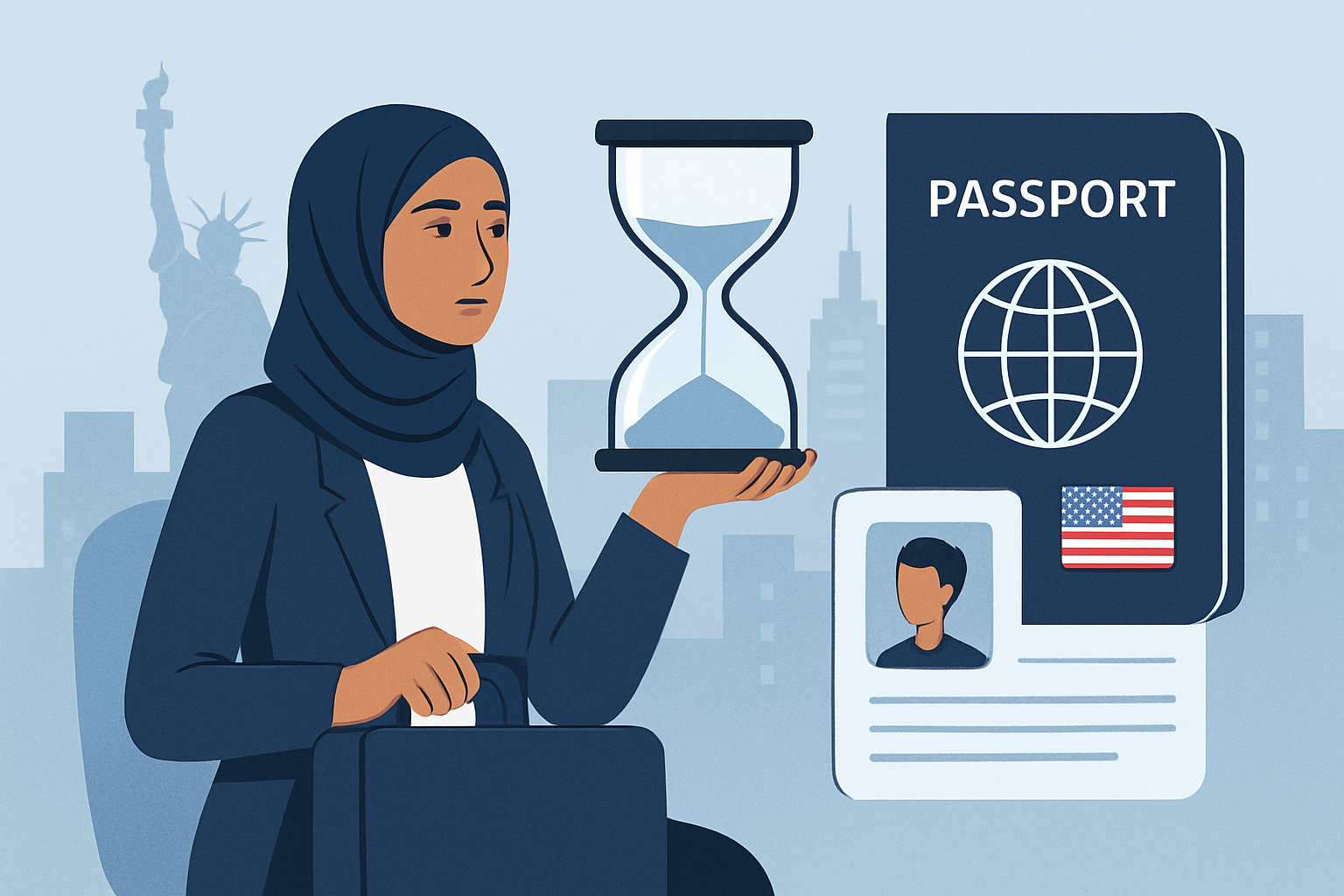
The typical timeframe to secure a work visa in the USA ranges from three to twelve months, depending heavily on the specific visa category and current United States Citizenship and Immigration Services processing standards. Applicants in New York should anticipate a minimum of three months for premium processing cases and up to a year for standard lottery-based or high-volume petitions. Planning your relocation timeline well in advance remains the most reliable strategy for navigating these procedures successfully in 2026. Related article
Understanding the Most Common US Work Visa Categories
Processing durations vary significantly across immigration classifications because each pathway serves distinct employment purposes and carries different legislative priorities. U.S. employers must file petitions on behalf of foreign nationals, and the complexity of the submission directly influences adjudication speed. Below are the primary visa categories that international professionals targeting New York employments typically encounter.
H-1B Specialty Occupations Visa
The H-1B program represents the most frequently utilized route for skilled professionals working in technology, finance, engineering, and healthcare sectors. Annual caps limit the number of new approvals, which means applicants often enter a digital lottery during March or April. Standard processing currently requires six to eight months once the petition reaches the designated service center, whereas premium processing guarantees adjudication within forty-five calendar days. Beneficiaries generally receive an official start date in October following approval.
L-1 Intracompany Transferee Visa
Related: Work Visa USA 2026 — H-1B, L-1, O-1 & Green C
This classification allows multinational corporations to transfer executives, managers, or employees with specialized knowledge from overseas offices to branches operating in the United States. Because the petitioner already possesses institutional history with the company, USCIS reviews tend to move faster than initial hire petitions. Premium processing reduces the timeline to forty-five days, while routine adjudication averages three to five months. New York headquarters frequently utilize this pathway to relocate senior talent into Manhattan operations.
O-1 Extraordinary Ability Visa
Professionals demonstrating sustained national or international recognition in science, business, education, athletics, or the arts qualify for the O-1 designation. Unlike capped programs, the O-1 operates continuously throughout the year with no annual quota. USCIS standard reviews require two to four months, and premium processing shortens the window to fifteen calendar days. Petitions demand extensive evidentiary documentation, including peer recommendations, published media coverage, and demonstrated original contributions to the field.
Key Factors That Influence Processing Times in 2026
Several structural and operational elements dictate how quickly immigration authorities finalize work authorization requests. Understanding these variables helps applicants set realistic expectations and prepare accordingly.
Related: USA Jobs for Expats 2026: Visas & Top Cities
USCIS Service Center Workloads
Adjudication speeds fluctuate based on regional office backlogs and seasonal filing spikes. Mid-Atlantic and Texas service centers typically handle higher volumes of employment petitions, which can extend standard review windows during peak quarters. Tracking real-time processing updates on official agency portals provides visibility into current turnaround rates.
Premium Processing Availability
Employers may request accelerated review for eligible visa categories by paying an additional fee. This option eliminates routine waiting periods and forces adjudicators to issue a decision within strict regulatory deadlines. Premium processing does not alter approval criteria, but it substantially reduces administrative uncertainty.
Documentation Quality and Compliance
Incomplete submissions trigger requests for evidence that pause the adjudication clock. Employers must demonstrate prevailing wage compliance, verify role specialization, and confirm organizational legitimacy. Applicants must supply authenticated degrees, professional certifications, and continuous employment records. Thorough preparation minimizes delays caused by administrative back-and-forth communications.
Security and Background Screening
All foreign nationals undergo mandatory electronic security checks before final approval. Clearances involve coordination with multiple federal agencies and occasionally require additional administrative processing. Delays in this phase are entirely outside the control of employers or applicants and can extend timelines by several months in complex cases.
Step-by-Step Timeline for Your US Work Visa Application
Mapping each phase of the immigration process clarifies when decisions occur and how long each stage requires. Following this sequence ensures alignment with hiring cycles and relocation planning.
Phase One: Employer Sponsorship Agreement
Companies must commit to sponsoring your employment before initiating any petition. Negotiation periods, internal legal reviews, and budget approvals typically consume two to four weeks. Confirming sponsorship intent early prevents wasted effort on non-sponsoring organizations.
Phase Two: Labor Condition Application and Filing
For H-1B petitions, employers submit a Labor Condition Application to the Department of Labor. Certification takes approximately seven business days after submission. Attorneys then compile Form I-129, supporting evidence, and filing fees. Electronic submissions arrive at service centers within one week.
Phase Three: USCIS Adjudication
Standard processing requires three to eight months depending on the visa category and current backlog conditions. Premium processing contracts this window dramatically. During adjudication, applicants receive receipt notices and tracking numbers to monitor case progression.
Phase Four: Consular Processing or Change of Status
Applicants outside the USA attend interviews at American embassies or consulates. Appointment wait times vary by location and can span several weeks. Those already in lawful status may transition through domestic change of status procedures, which activate automatically upon approval.
Actionable Tips to Accelerate Your US Visa Journey
Executing a strategic approach reduces unnecessary delays and positions you for faster approvals. Implement these proven methods to streamline your immigration process while aligning with employer expectations.
Begin compiling authentication packets immediately. Translate academic transcripts, professional licenses, and past employment verifications through certified providers before receiving an offer letter. Maintaining organized, notarized documentation prevents bottlenecks when attorneys assemble petitions.
Prioritize employers with established immigration infrastructure. Organizations that routinely sponsor visas maintain experienced counsel, standardized workflows, and predictable filing schedules. To streamline this search, browse our curated list of verified opportunities and apply directly to jobs in the USA through our streamlined portal. These companies understand regulatory requirements and can move through submission phases efficiently.
Utilize premium processing whenever financially viable. Ask prospective employers whether they allocate budgets for expedited adjudication. Accepting this option removes waiting periods and provides definitive outcomes within established regulatory windows.
Leverage targeted job search filters that identify sponsorship-ready companies. You can also find sponsored jobs using advanced filters that match your professional qualifications with organizations willing to navigate the immigration paperwork. Matching your profile with compliant employers reduces negotiation friction and accelerates petition initiation.
Establish your professional presence before launching applications. Before submitting applications, take advantage of the opportunity to create your free profile to ensure recruiters can quickly verify your credentials and track your application status. A completed portfolio enables hiring managers to forward your materials to legal teams without requesting additional information.
Maintain transparent communication with corporate immigration attorneys. Respond promptly to document requests, clarify role responsibilities accurately, and avoid making unrelated travel plans until approval letters arrive. Consistent dialogue prevents misunderstandings that could otherwise reset processing clocks.
Navigating the New York Employment Market Context
The Greater New York region consistently ranks among the top destinations for global talent due to its concentration of Fortune 500 headquarters, financial institutions, tech incubators, and healthcare networks. This density drives intense competition for skilled workers, which simultaneously increases sponsorship demand and complicates timeline predictions. Employers in Manhattan often batch file petitions to optimize legal expenses, meaning individual applications may align with quarterly submission windows rather than immediate hires.
Regional hiring cycles also influence processing expectations. Technology firms typically recruit in late summer to prepare for fall onboarding, while financial services firms align talent acquisition with fiscal year planning. Understanding these corporate rhythms allows candidates to time applications strategically. Additionally, New York State maintains robust compliance oversight regarding wage levels and working conditions, requiring employers to submit highly detailed position descriptions. Attorneys familiar with local market standards can prepare stronger petitions that satisfy both federal and state scrutiny, reducing the likelihood of supplemental evidence requests.
Frequently Asked Questions
Can I enter the USA while my work visa application is pending?
Generally, you cannot legally commence employment in the USA until your visa receives final approval and either changes status domestically or undergoes successful consular processing abroad. Travel restrictions may apply, and entering on a visitor visa with preconceived immigrant intent can jeopardize your application.
What documents are required to meet US immigration standards in 2026?
Employers must submit Form I-129 along with a certified labor condition application, proof of prevailing wage compliance, and detailed role specifications. Applicants must provide valid passports, academic transcripts, professional licenses, and comprehensive employment verification records.
Does premium processing guarantee visa approval?
Premium processing only accelerates adjudication to forty-five calendar days without altering the substantive merit review conducted by United States Citizenship and Immigration Services. Approval depends entirely on whether the petitioner meets statutory eligibility requirements and submits complete supporting documentation.














