

How to Find a Job in Germany in 2026 , Complete Guide
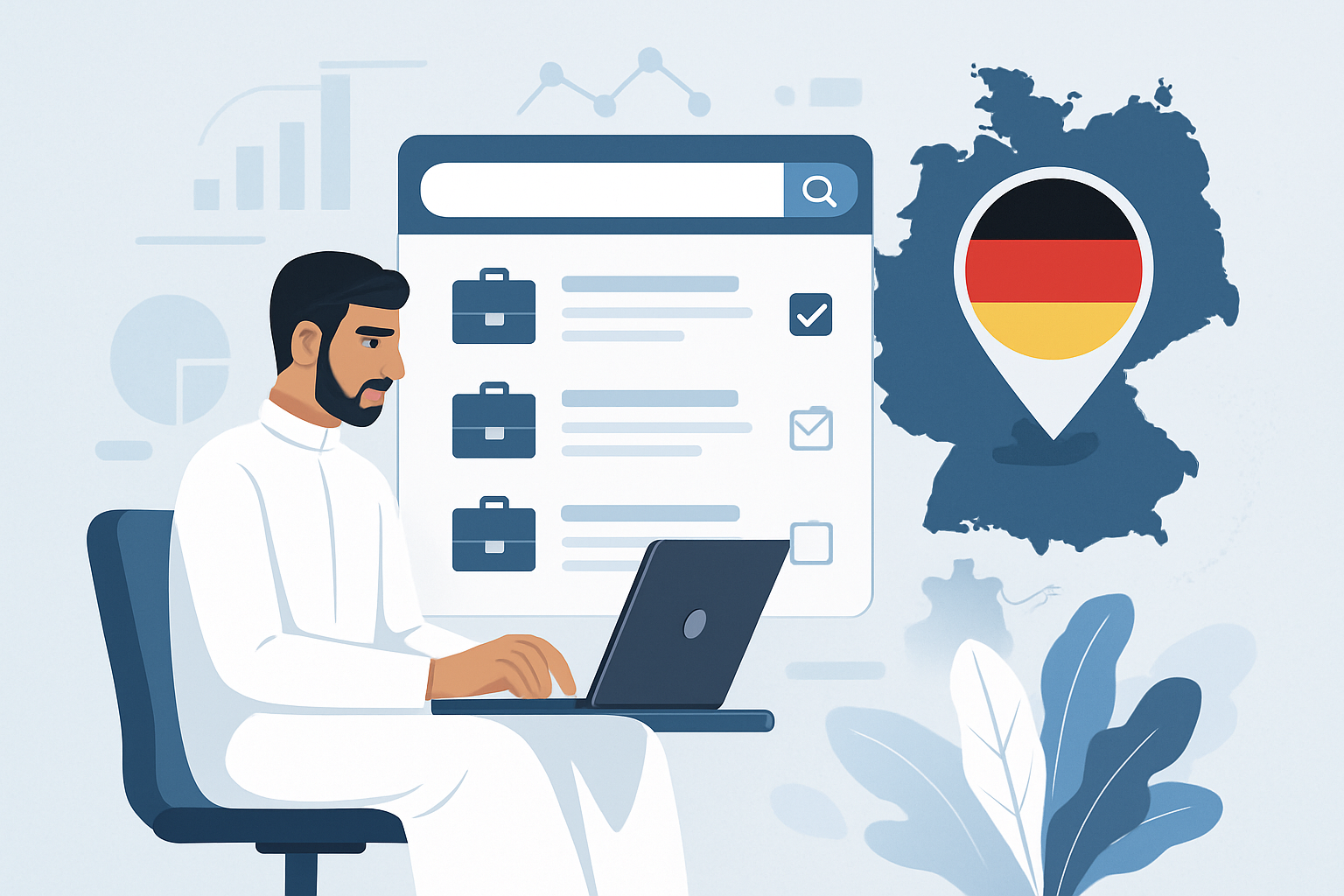
Finding a job in Germany in 2026 requires a strategic combination of visa preparation, localized application materials, and targeted platform usage. Professionals can secure employment within three to six months by aligning their qualifications with high demand sectors like technology, healthcare, and engineering while leveraging official immigration pathways such as the EU Blue Card. This guide outlines the exact steps needed to navigate the German labor market successfully. Related article
Why Berlin Remains a Top Destination for International Talent in 2026
Berlin continues to dominate as the primary hub for multinational corporations and startups across Europe. The city hosts over twenty thousand registered companies and ranks among the top three European capitals for foreign direct investment. Its multicultural environment eliminates many cultural friction points that international applicants often face elsewhere. Employers prioritize adaptability, cross border collaboration, and technical expertise above traditional pedigree metrics.
The Growing Tech and Innovation Ecosystem
The capital serves as a centralized node for artificial intelligence, cybersecurity, fintech, and sustainable energy ventures. Municipal grants and university research partnerships accelerate product development cycles. Companies routinely recruit data scientists, software engineers, product managers, and sustainability analysts. Remote work policies have stabilized, allowing hybrid teams to operate efficiently across multiple time zones. Technology campuses in Friedrichshain and Mitte concentrate venture capital activity, creating dense networking opportunities for mid level and senior professionals.
Cost of Living and Neighborhood Selection
Related: Work Visa USA 2026 — H-1B, L-1, O-1 & Green C
Housing costs have adjusted upward but remain more accessible than London, Paris, or New York. Rent registries now enforce stricter price caps, protecting tenants from predatory leasing practices. Public transportation networks operate around the clock and connect residential districts directly to commercial hubs. Professionals seeking shorter commutes typically target Prenzlauer Berg for family friendly amenities or Neukölln for budget conscious rentals. Healthcare coverage, parental leave provisions, and vocational training programs establish a strong social safety net. These structural advantages reduce financial stress during career transitions.
Understanding Germany’s Immigration and Work Visa Requirements for 2026
Legal authorization dictates whether employers will proceed with interview scheduling. The federal government updated several digital processing streams to reduce bureaucratic delays. Applicants must submit verified academic credentials, proof of financial stability, and confirmed health insurance before submitting formal residence applications. Coordination with the local Ausländerbehörde remains essential throughout the relocation timeline.
The EU Blue Card and Skilled Worker Pathways
The EU Blue Card remains the most efficient pathway for graduates holding recognized university degrees. Minimum salary thresholds adjust annually based on collective bargaining agreements and regional cost indices. Qualified IT specialists without formal degrees may qualify under alternative skilled labor categories if they demonstrate five years of relevant experience. Processing timelines typically range from four to eight weeks when documentation is complete. Employers sponsor these permits directly, removing the financial burden from candidates during the initial placement phase.
Language Expectations and Workplace Culture
Related: USA Jobs for Expats 2026: Visas & Top Cities
English proficiency satisfies initial communication needs across multinational headquarters and tech startups. Daily administrative tasks, including banking, housing contracts, and municipal registrations, still require basic German comprehension. Completing an intensive language course before arrival accelerates workplace integration. Understanding direct communication styles and structured meeting agendas prevents unnecessary misinterpretations during performance reviews. Punctuality, documented decision making, and hierarchical respect remain non negotiable baseline expectations.
Step by Step Strategy to Land Your Target Role
Systematic execution replaces random application volume in modern recruitment cycles. German hiring managers evaluate consistency, documentation accuracy, and role specific alignment rather than generic enthusiasm. Building a structured workflow ensures sustained momentum throughout the search phase.
Optimizing Your CV for German Hiring Committees
Traditional Europass templates lack impact in competitive industries. Recruiters prefer detailed resumes featuring chronological employment history, quantifiable achievements, and explicit skill mappings. Include professional photographs only when explicitly requested by industry standards. Certifications, licensing examinations, and language proficiency levels belong in dedicated sections rather than scattered paragraphs. Reverse chronological formatting allows applicant tracking systems to parse experience tiers correctly. Keep the document between two and three pages, using clear headings and consistent typography. German hiring panels expect precise dates, full organizational titles, and verifiable project outcomes.
Leveraging Job Boards and Professional Networks
Manual browsing through company career pages yields minimal results compared to algorithmic matching tools. Professionals who maintain updated records on specialized boards receive automated alerts for newly posted positions. You can search jobs on DrJobPro to access filtered listings tailored to expatriate candidates and sponsorship friendly employers. Building relationships with recruiters through LinkedIn and XING improves conversion rates significantly. Attend virtual industry panels and local chamber of commerce meetups to generate warm introductions that bypass standard screening filters. Consistent outreach, combined with targeted keyword optimization, shortens time to interview dramatically.
Mastering the German Interview Format
Technical assessments frequently replace behavioral questioning in engineering and analytical roles. Candidates should prepare portfolio presentations demonstrating problem solving methodologies and project lifecycle ownership. Video interviews require stable bandwidth, neutral backgrounds, and calibrated lighting setups. Follow up within forty eight hours with a concise email referencing specific discussion points and attaching supplementary documents. Salary negotiations occur later in the pipeline, usually after the final round. Present benchmarked compensation ranges based on collective agreement scales rather than arbitrary requests. German managers value transparency, measured confidence, and clear boundaries regarding working hours.
Navigating Notice Periods and Onboarding Logistics
Employment contracts in Germany typically include monthly notice periods following probationary windows. Planning your resignation strategy ensures seamless transitions without burning bridges. Onboarding schedules emphasize regulatory compliance, equipment provisioning, and team integration workshops. Familiarize yourself with Betriebsrat structures if joining larger manufacturing or automotive firms. Union representation influences working conditions, overtime compensation, and dispute resolution procedures. Understanding these institutional frameworks positions you as a compliant and proactive hire from day one.
Frequently Asked Questions About Working in Germany
Can international professionals apply for permanent residency immediately after arriving in Germany?
Permanent residency typically requires eighteen to twenty four months of continuous legal employment followed by successful language certification and tax compliance verification. The federal immigration office processes conversion applications through standardized digital portals once minimum contribution periods are satisfied.
Which sectors currently offer the highest salary ranges for expatriate workers?
Financial services, advanced manufacturing, medical device engineering, and enterprise software development consistently rank at the top of compensation benchmarks. Senior specialists with five or more years of documented expertise negotiate base salaries between seventy two thousand and one hundred ten thousand euros annually depending on corporate size and location.
How do German employers verify foreign academic qualifications during recruitment?
Certification authorities cross reference diplomas against the Central Office for Foreign Education database to confirm equivalence with national standards. Employers request authenticated transcripts and translation certificates before initiating background checks or offering employment contracts.














