
How to Get a Job in South Africa in 2026: Step-by-Step Guide
The best way to get a job in South Africa in 2026 is to search verified job platforms like DrJobPro, tailor your CV to South African employer expectations, and apply within the first 48 hours of a posting going live — competition is high and roles fill fast. This guide walks you through every step, from preparing your application to negotiating your offer.
Key Takeaways
– South Africa’s formal job market is concentrated in Johannesburg, Cape Town, and Durban — target these cities for the most opportunities
– ATS (Applicant Tracking Systems) are widely used by large South African employers — keyword-optimise your CV
– The best job platforms for South Africa are DrJobPro, LinkedIn, Pnet, and CareerJunction
– Networking remains critical in South Africa — up to 70% of senior roles are filled before public advertisement
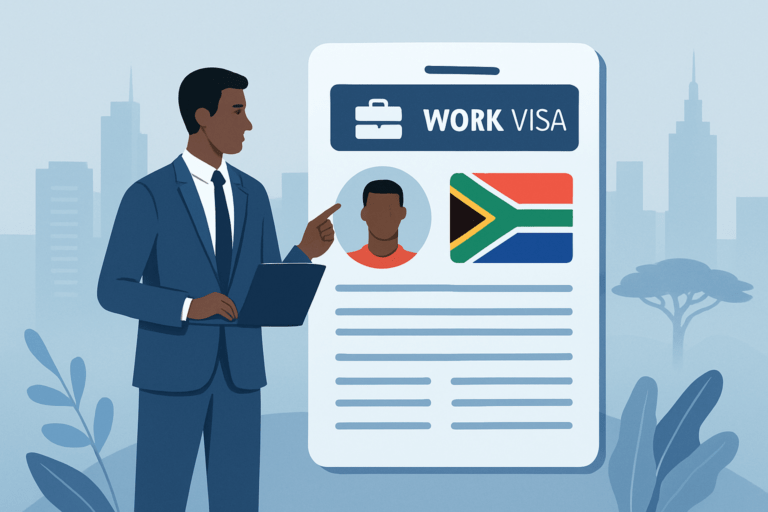
– Expats need a Critical Skills Work Visa or General Work Visa before starting employment
Understanding South Africa’s Job Market in 2026
South Africa has a complex job market. Official unemployment sits above 30%, but this figure is misleading for skilled professionals. The skills shortage in engineering, healthcare, finance, and technology means qualified candidates are actively headhunted. The challenge for most job seekers is not the lack of jobs — it is standing out in an ATS-filtered, high-competition application environment.
Key dynamics to understand:
- B-BBEE considerations: Broad-Based Black Economic Empowerment policies mean some employers give preference to previously disadvantaged candidates. Understanding how this affects your target companies helps you focus where your profile fits.
- Formal vs. informal sector: This guide focuses entirely on the formal sector — registered companies with structured hiring processes.
- Remote work: A growing number of South African companies hire for remote or hybrid roles, particularly in tech and finance. This opens the market to candidates outside the three main cities.
Step 1: Choose Your Target Industry and Location
Before you start applying, be deliberate about which industry you are targeting and which city makes sense for your goals.
By sector:
– Finance, banking, corporate: Johannesburg (Sandton CBD, Rosebank) is the primary hub
– Tech and startup roles: Cape Town (Century City, Green Point) and Midrand (Gauteng)
– Mining and resources: Johannesburg, Pretoria, and the Northern Cape (Kathu, Upington)
– Tourism and hospitality: Cape Town, Garden Route, Drakensberg
– Logistics and trade: Durban (port-linked industries)
By seniority: Graduate roles cluster at large corporates in Johannesburg. Mid-career roles are distributed more broadly. Senior and C-suite roles are almost exclusively Johannesburg-based.
Step 2: Build a South African-Format CV
South African CVs differ from UK, US, and European formats in several important ways. Getting this right is the difference between passing an ATS screen and being filtered out before a human sees your application.
South African CV must-haves:
– Length: 3–4 pages for experienced professionals (2 pages for graduates)
– Include: Full name, contact number, email, LinkedIn URL, nationality, ID or passport number
– Photo: Expected in most South African applications — use a professional headshot
– Objectives statement: 3–4 lines at the top summarising your current position and career goal
– Education: List highest qualification first, include institution name, year, and results
– Work history: Reverse chronological, with specific achievements quantified in ZAR or percentages
– References: List 2–3 professional referees with contact details at the end (not “available on request”)
ATS optimisation: Large South African employers (Woolworths Holdings, Standard Bank, Discovery, Vodacom) use ATS to pre-screen applications. Use keywords directly from the job description in your CV’s skills section and experience bullets.
Step 3: Use the Right Job Platforms
Casting your search across the right platforms dramatically increases your visibility. The platforms most actively used by South African employers are:
- DrJobPro — Browse South Africa jobs on DrJobPro for verified listings across all sectors
- LinkedIn — Essential for senior roles; South African recruiters use LinkedIn extensively for headhunting
- Pnet — One of South Africa’s largest job boards with strong corporate and SME coverage
- CareerJunction — Strong in tech, finance, and graduate recruitment
- Indeed South Africa — High volume but varies in listing quality
- Company career portals — For JSE Top 40 companies, apply directly on the corporate website as well as through aggregators
Pro tip: Set up a DrJobPro job alert for your target role and location. Create your free job alert here and receive daily notifications without needing to check the platform manually.
Step 4: Write a South African Cover Letter
Cover letters are expected for most professional roles in South Africa. Keep it concise — one page maximum — and structure it as follows:
- Opening paragraph: Name the specific role, where you saw it advertised, and a one-sentence summary of why you are the right candidate
- Middle paragraph: Two specific achievements from your career that directly address the role’s key requirements (use numbers)
- Closing paragraph: Express availability for an interview, reference your attached CV, and thank the hiring manager for their time
Avoid generic cover letters. South African hiring managers read hundreds of applications for popular roles — a tailored letter that references the company’s recent activity or challenges gets noticed.
Step 5: Prepare for the South African Interview Process
South African interviews typically follow a structured format across two to three stages:
Stage 1 — HR or recruiter screen (30 minutes, phone or video): Competency-based questions, salary expectations, notice period, and right-to-work confirmation.
Stage 2 — Technical or line manager interview (60–90 minutes, in person or video): Deep competency assessment. Expect behavioural questions using the STAR method (Situation, Task, Action, Result) and technical questions relevant to your field.
Stage 3 — Final interview or panel (some organisations): Senior leadership involvement, culture fit assessment, and final offer discussion.
South Africa-specific interview preparation:
– Know your notice period — South African employment contracts typically require one calendar month’s notice at a minimum; senior roles often require three months
– Be prepared to discuss B-BBEE status if asked (this is legal in South Africa and relevant to employer equity reporting)
– Research the company’s JSE performance, recent acquisitions, or press coverage if relevant
Step 6: Navigate the Offer and Negotiate
South African employers present offers as Cost-to-Company (CTC). This bundled package includes your gross salary, employer contributions to your medical aid, and employer provident fund contributions. Always ask for the CTC-to-cash breakdown.
What to negotiate:
– Annual increase commitment (especially important given South Africa’s inflation rate)
– Annual performance bonus structure and target
– Remote or hybrid work arrangement
– Notice period (sometimes negotiable to start sooner)
– Relocation assistance (for roles requiring a city move)
Counter-offer is expected at the professional level — do not accept the first offer without at least requesting a revision.
For Expats: Visa Requirements Before You Start
If you are not a South African citizen or permanent resident, you cannot legally work without the correct visa. The two main routes are:
- Critical Skills Work Visa: For occupations on the government’s Critical Skills List. No job offer required. Valid up to 5 years. Requires SAQA credential evaluation and professional body registration.
- General Work Visa: For roles not on the Critical Skills List. Requires a confirmed job offer and employer proof of labour market test. Processing takes 6–12 weeks.
Start the visa process early — credential evaluation through SAQA alone takes 4–8 weeks, and professional body registration adds further time. Browse South Africa expat jobs on DrJobPro while your visa is being processed.
Frequently Asked Questions
How long does it take to find a job in South Africa?
For qualified professionals in demand sectors, the average job search in South Africa takes 4–10 weeks from first application to signed offer. The process is slower for more competitive or senior roles. Applying to at least 10–15 targeted roles simultaneously (not serially) compresses the timeline.
Do South African employers check qualifications?
Yes. Most reputable South African employers conduct qualification verification as part of their background check process. Misrepresentation of qualifications is grounds for summary dismissal and is treated seriously.
Is it hard to get a job in South Africa without connections?
For junior and mid-level roles, cold applications via job boards work well. At senior level, a significant proportion of roles are filled via network referrals or executive search firms before being publicly advertised. Building a LinkedIn network of South African professionals in your sector helps considerably.
Can I work remotely for a South African company from another country?
Yes — South Africa’s remote work policies have expanded significantly post-COVID. Many employers now hire remote-only for tech and finance roles. Compensation may be ZAR-denominated even for fully remote arrangements.
What are South Africa’s working hours and leave entitlements?
Standard working hours are 45 per week under the Basic Conditions of Employment Act. Minimum annual leave is 15 working days per year (21 consecutive days). Most corporate employers offer 20–25 days per year.
Start Your South Africa Job Search Today
You now have everything you need to run a targeted, effective South Africa job search. The next step is simple — search verified South Africa jobs on DrJobPro, set up your profile, and start applying to roles that match your skills and salary expectations. New listings go live daily — apply early for the best results.
Last updated: May 2026 | Author: DrJobPro Editorial Team