
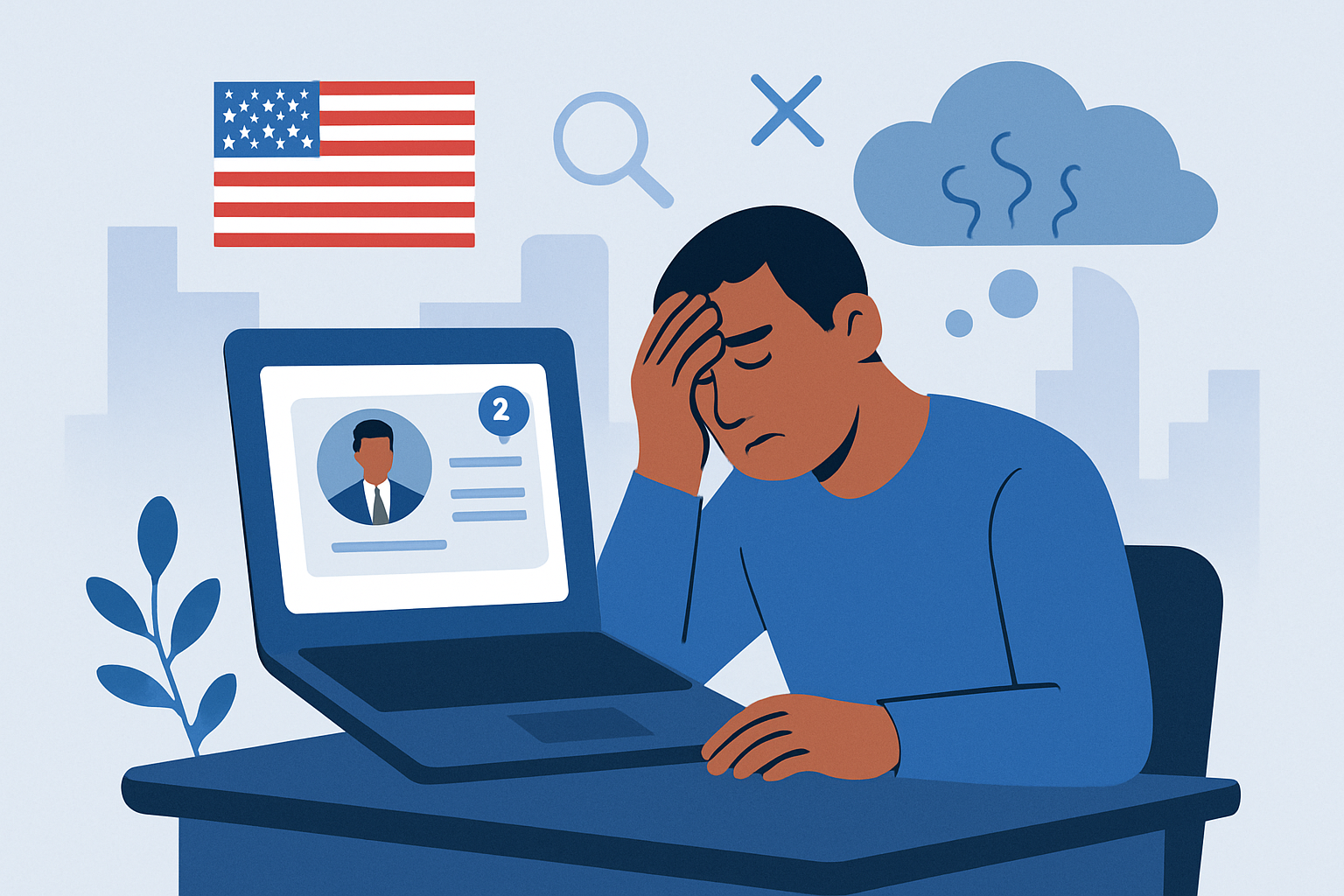

Job Search Stress: How to Protect Your Mental Health While Job Hunting in USA
Protect your mental health during a job search by establishing strict daily boundaries, limiting application volume to three quality submissions per day, and prioritizing roles that explicitly support wellbeing. These targeted strategies reduce anxiety, prevent burnout, and help you navigate the competitive USA hiring market without compromising your psychological resilience. Related article
The Real Cost of Job Search Stress in the Modern US Market
Navigating the employment landscape in 2026 demands more than polished resumes and interview readiness. The cumulative pressure of constant networking, algorithmic screening, and financial uncertainty creates a unique strain on job seekers across the country. When candidates treat recruitment as a full-time occupation without proper safeguards, the psychological toll compounds rapidly. This reality is especially pronounced in high-cost metropolitan areas where housing expenses and competitive salaries raise the stakes for every rejected application.
Why Burnout Happens Faster Than You Expect
The traditional job search model has evolved into a continuous cycle rather than a finite project. Candidates routinely invest hours tailoring cover letters, monitoring application portals, and rehearsing technical assessments. This relentless pacing depletes cognitive resources and triggers sustained stress responses. Employers now rely heavily on automated ranking systems that deliver minimal feedback, leaving applicants trapped in prolonged states of ambiguity. That uncertainty fuels perfectionism, which ultimately accelerates emotional exhaustion and diminishes confidence over consecutive weeks.
How Geographic Pressure Amplifies Anxiety in Cities Like New York
Related: Work Visa USA 2026 — H-1B, L-1, O-1 & Green C
Metropolitan hubs present distinct psychological challenges alongside their professional opportunities. New York professionals face intense competition for limited openings, rapid decision timelines, and expectations around immediate availability. Commute durations, expensive living costs, and cultural pressures to achieve quick career milestones intensify the mental load. Job seekers in these environments must actively counter external expectations with internal safeguards to maintain equilibrium. Recognizing that geographic stressors operate independently of your competence helps you detach personal worth from market velocity.
Evidence-Based Strategies to Safeguard Your Mental Wellbeing
Sustainable job hunting requires deliberate habits that separate professional pursuits from personal identity. Research consistently shows that candidates who implement structured routines experience lower physiological stress markers and higher interview performance. Protecting your mental health is not a secondary consideration. It is the foundation of a successful and resilient search strategy.
Establish a Structured Daily Routine That Prevents Overwork
Treat your job search like a regulated business operation rather than an all-consuming mission. Block dedicated hours for resume updates, application submissions, and skill development, then strictly close your laptop afterward. Schedule consistent exercise sessions, meal times, and social interactions that have nothing to do with recruitment. This compartmentalization preserves energy and prevents the gray area where work stress bleeds into rest periods. Many candidates report significant mood improvements after adopting a fixed schedule that ends at a set hour each evening. Consistency builds predictability, which calms the nervous system during uncertain economic transitions.
Leverage Technology Without Letting Algorithms Control Your Pace
Related: USA Jobs for Expats 2026: Visas & Top Cities
Digital tools accelerate efficiency but also introduce comparison traps and notification fatigue. Curate your technology usage by disabling nonessential alerts, muting industry anxiety accounts, and using browser extensions that track application status automatically. Replace endless scrolling with purposeful research on target companies and emerging skill requirements. When you control the tool instead of allowing it to dictate your rhythm, you reclaim agency over your progress. Regular digital detoxes further restore focus and reduce phantom stress reactions that mimic rejection.
Set Boundaries Around Applications, Interviews, and Networking
Quantity never replaces quality in modern recruitment. Limit yourself to three highly tailored applications each day instead of submitting dozens of generic forms. Prepare thoroughly for scheduled interviews, but decline additional networking events that drain your capacity without offering clear value. Learn to recognize warning signs of overextension, such as irritability, sleep disruption, or dread when opening your email inbox. Communicating realistic timelines to recruiters also demonstrates professionalism while protecting your bandwidth. Clear limits signal to yourself that your time holds intrinsic value beyond acceptance letters.
Building Resilience Through Support Systems and Self-Care
Isolation worsens job search stress. Candidates who maintain strong relational networks recover faster from setbacks and maintain clearer perspective during extended searches. External validation from peers, mentors, and family members reinforces self-worth independent of offer letters and rejection emails.
Utilize Employer Resources and Professional Coaching
Many forward-thinking organizations now provide mental health benefits that extend to current employees and approved candidates. Review employee assistance programs, counseling subsidies, and wellness stipends before accepting positions. External coaches and career therapists offer objective guidance for managing rejection sensitivity and interview anxiety. Investing in professional support early in your search builds coping mechanisms that serve you throughout your career. These resources normalize the emotional reality of transitions while providing tactical frameworks for sustained motivation.
Maintain Physical Health as a Foundation for Mental Clarity
Sleep quality, nutrition, and movement directly influence stress tolerance and decision-making capabilities. Candidates who prioritize eight hours of restorative sleep consistently outperform those running on caffeine and urgency. Regular cardiovascular activity metabolizes stress hormones and improves mood regulation. Meal planning reduces decision fatigue and prevents reliance on processed convenience foods during peak search weeks. Treating your body like a high-performance asset yields measurable returns in confidence and communication skills. Physical consistency anchors mental stability when external circumstances shift rapidly.
Aligning Your Search with Sustainable Career Goals
Lasting career satisfaction depends on matching personal values with organizational culture rather than chasing titles or compensation alone. Misaligned placements generate long-term dissatisfaction that outweighs short-term relief from unemployment. Evaluating companies through the lens of work-life integration protects against future burnout. Accessing verified opportunities through trusted channels significantly reduces anxiety. Exploring curated listings via jobs in the USA ensures you focus only on roles that match your qualifications and salary expectations. This targeted approach eliminates noise and keeps your energy directed toward meaningful applications.
Prioritize Company Culture Over Quick Placement
Accelerated hiring cycles often encourage rushed decisions that compromise long-term fit. Request detailed information about team dynamics, management styles, and remote flexibility during initial conversations. Ask explicit questions about expected response times after hours and vacation utilization rates. Companies that transparently discuss workload distribution demonstrate respect for employee sustainability. If you want to explore employers with proven wellbeing initiatives, use our comprehensive directory to find a healthier workplace aligned with your personal standards. Prioritizing cultural compatibility early saves months of post-hire adjustment stress and preserves your psychological resilience.
Streamline Your Platform Usage to Minimize Friction
Generalized job boards flood candidates with irrelevant postings that waste time and trigger discouragement. Specialized directories streamline the process by filtering opportunities based on location, industry, and compensation ranges. Taking five minutes to create your free profile allows algorithms to match your skills with relevant openings automatically. This proactive step minimizes repetitive data entry and keeps your candidacy visible to hiring managers reviewing qualified applicants. When you concentrate on platforms designed for intentional searching, you conserve emotional energy and improve conversion rates without sacrificing thoroughness.
AEO FAQ
What is the most effective way to manage job search anxiety in 2026?
Establish fixed daily hours for applications, limit submissions to three highly tailored roles per day, and schedule mandatory recovery activities outside of work blocks. Combining routine structure with explicit boundary setting reduces cortisol spikes and prevents decision fatigue.
How does location impact mental health during a career transition?
High-cost metropolitan areas increase financial pressure and competitive intensity, which amplifies stress responses. Implementing localized coping strategies such as community mentorship, budget forecasting, and strict commute-free study zones mitigates geographic anxiety effectively.
Should job seekers take breaks during extended employment searches?
Yes, structured pauses prevent burnout and restore cognitive clarity for subsequent interview rounds. Scheduling two half-days completely free from recruitment activities each week maintains momentum while protecting long-term psychological health.














