
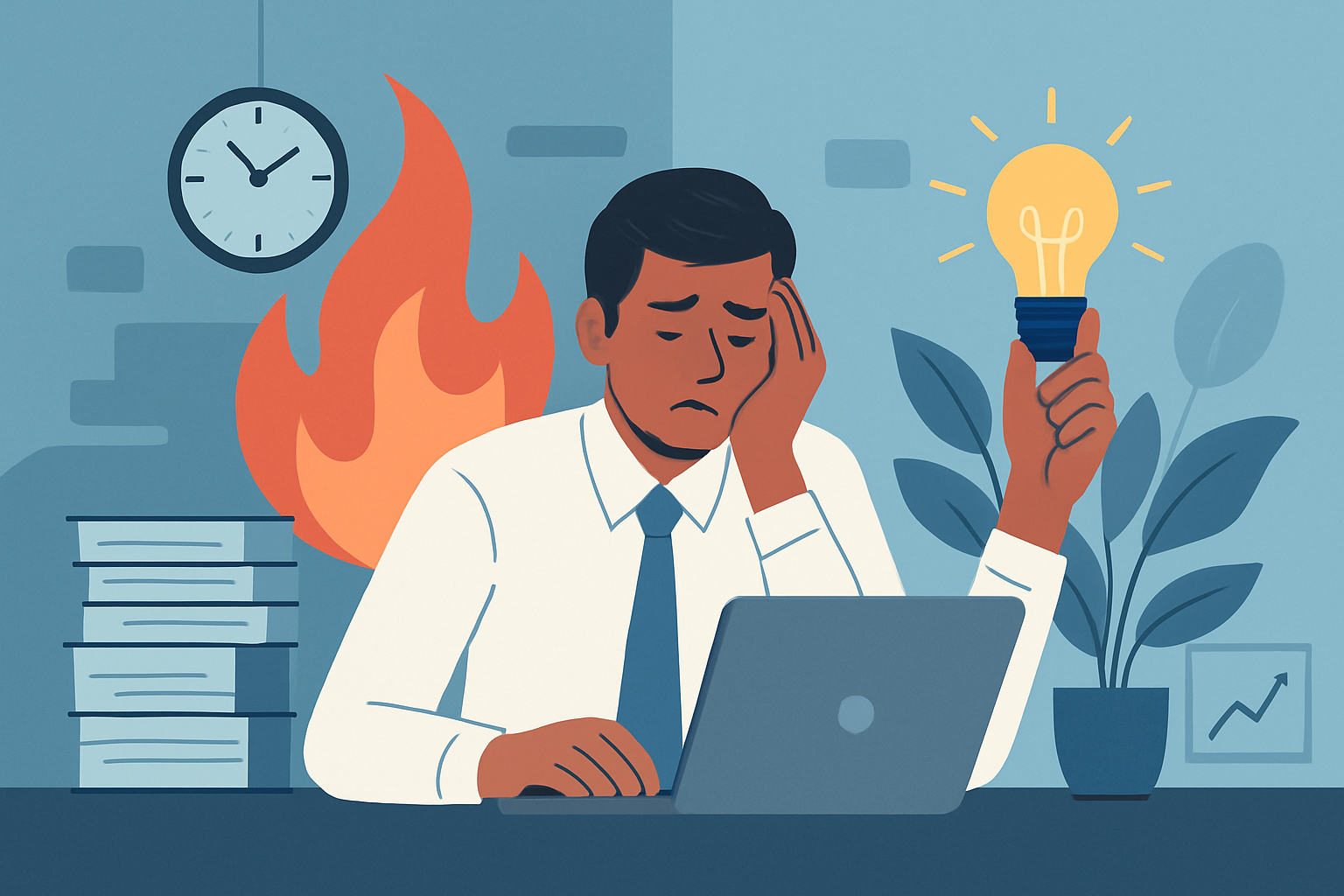

Signs of Workplace Burnout and How to Recover in India
Signs of Workplace Burnout and How to Recover in India
Workplace burnout in India manifests through chronic exhaustion, cynicism toward professional responsibilities, and declining productivity, particularly among tech and corporate professionals in high-pressure hubs like Bangalore. Recovery requires a structured approach that combines immediate stress reduction, boundary setting aligned with local work culture, and strategic career reassessment using updated employment resources available throughout 2026.
Understanding Workplace Burnout in the Modern Indian Workplace
Burnout has transitioned from an occasional industry buzzword into a documented occupational phenomenon recognized by international health frameworks and Indian corporate policy discussions. Professionals operating in fast-paced sectors such as information technology, financial services, e-commerce, and shared service centers frequently face prolonged exposure to unrealistic deadlines, hybrid work fatigue, and constant digital connectivity. The situation intensifies in metropolitan centers where extended commuting times, rising urban living costs, and highly competitive performance metrics converge. Recognizing burnout early allows individuals to intervene before long-term health complications emerge or career trajectories derail. Organizations across India increasingly acknowledge that sustained high performance depends on psychological safety rather than relentless overtime.
Common Signs of Workplace Burnout You Should Not Ignore
Identifying burnout requires observing consistent patterns rather than isolated difficult days. These manifestations typically span physical, emotional, cognitive, and behavioral domains. Ignoring these indicators often leads to decreased professional output, strained workplace relationships, and increased healthcare utilization over time.
Physical and Emotional Warning Signals
Related: Work Visa India 2026: Employment Visa Rules &
Persistent fatigue remains the most reliable early warning sign, regardless of how many hours of sleep you secure. You may experience recurring tension headaches, digestive discomfort, or weakened immunity that does not resolve with standard home remedies. Emotionally, burnout triggers irritability, emotional detachment, and a pervasive sense of dread when opening your laptop or checking work communications. Many professionals mistakenly categorize these symptoms as temporary stress, yet they represent your nervous system signaling chronic overload. Without intervention, physical symptoms frequently escalate into insomnia, hypertension, or autoimmune flare-ups that require medical treatment.
Cognitive and Behavioral Shifts
Cognitive decline accompanying burnout includes difficulty concentrating, frequent forgetfulness, and indecisiveness during routine meetings. You might find yourself procrastinating on previously straightforward tasks or avoiding collaborative projects altogether. Behaviorally, this translates to increased absenteeism, skipping lunch breaks entirely, relying heavily on caffeine, and withdrawing from team social events. In cities like Bangalore, where informal networking and cross-functional knowledge sharing drive career advancement, disengaging from these practices accelerates professional stagnation alongside personal exhaustion. Tracking these shifts through a simple weekly journal helps distinguish normal work fluctuations from genuine burnout progression.
Evidence-Based Strategies to Recover from Burnout in India
Recovery demands intentional intervention across multiple dimensions of your lifestyle and work environment. Sustainable healing combines physiological restoration, psychological boundary setting, and environmental adjustments tailored to Indian workplace norms.
Rebuild Your Routine with Local Support Systems
Related: تأشيرة العمل في ماليزيا 2026 | دليل Employment Pas
Prioritize circadian rhythm alignment by establishing fixed wake and sleep times, even during travel-heavy project weeks. Incorporate brief daily movement practices such as yoga sessions at neighborhood wellness centers or evening walks along lakeside trails in South Bangalore. Accessing culturally competent counseling through employer-sponsored mental health benefits or reputable telehealth platforms provides structured coping mechanisms without disrupting your schedule. Regular engagement with these resources prevents acute stress from calcifying into chronic dysfunction. Many urban professionals also benefit from integrating traditional Ayurvedic mindfulness practices, which align well with seasonal rhythms and local dietary habits.
Leverage Corporate Wellness Programs Effectively
Many Indian organizations now offer comprehensive wellbeing initiatives, yet employees rarely utilize them due to awareness gaps or perceived professional stigma. Review your company handbook thoroughly to identify covered services including confidential coaching, fitness subsidies, and designated quiet zones for mental decompression. Schedule quarterly wellness check-ins with human resources to discuss workload distribution and flexible arrangement possibilities. Proactive communication with management demonstrates professionalism while securing the accommodations necessary for recovery. Employers publishing transparent burnout prevention guidelines in 2026 expect staff to engage with these tools without hesitation.
Set Boundaries That Align with Indian Work Culture
Navigating workplace expectations in India requires clear, respectful communication about availability windows. Implement automated email signatures stating your response hours and disable nonessential notifications after designated shutdown times. Politely decline meeting invitations that fall outside your core responsibilities or request asynchronous alternatives when feasible. Culturally sensitive boundary setting preserves professional relationships while protecting your mental bandwidth. Over time, colleagues and supervisors adapt to predictable communication patterns, reducing last-minute interruptions that fracture concentration. Teaching junior team members to respect these boundaries further reinforces a healthier department-wide standard.
Creating a Sustainable Career Path Forward
Long-term prevention extends beyond recovery tactics. It requires aligning your professional trajectory with realistic capacity, values, and market opportunities. Continuous evaluation ensures that future roles sustain rather than deplete your energy reserves.
Evaluate Your Current Role Honestly
Conduct a quarterly audit of tasks that generate meaningful impact versus those that consume time without producing measurable outcomes. Document instances where excessive hours correlate directly with diminishing returns or health deterioration. Compare your compensation, growth pathways, and workplace flexibility against industry benchmarks published by leading employment research firms. This analytical approach removes emotional bias from career decisions and grounds your choices in observable data. Writing down your top three non-negotiable working conditions clarifies whether your current position can realistically meet them.
Explore New Opportunities Strategically
When misalignment persists despite boundary implementation and wellness interventions, transitioning to a healthier environment becomes necessary. Utilize established job search platforms to filter roles by verified working hours, remote flexibility, and explicit cultural commitments to employee wellbeing. Review company feedback and team structures before applying to ensure alignment with your recovery objectives. Explore better job options allows you to compare positions side by side while maintaining complete confidentiality throughout the process. Building your presence on professional networks increases visibility to recruiters who prioritize sustainable hiring practices in competitive markets.
Registering your credentials systematically ensures you receive targeted matches based on your specialization and preferred work conditions. Create your free profile takes minimal time yet generates continuous notifications for openings that fit your revised parameters. Tracking applications through a simple spreadsheet helps maintain momentum during active searches without sacrificing necessary rest periods. Monitoring the broader landscape of jobs in India reveals emerging sectors that currently emphasize balanced schedules and comprehensive healthcare coverage.
Maintain Progress Through Structured Prevention
Burnout recovery remains nonlinear, meaning progress will include moments of resilience followed by temporary setbacks. Establish monthly self-assessments to monitor stress indicators, energy levels, and job satisfaction metrics. Continue practicing boundary enforcement even after initial improvement, as relaxed vigilance often triggers recurrence. Participate in peer support groups or industry forums where professionals share coping techniques and resource recommendations. Consistent maintenance transforms temporary recovery into permanent professional sustainability.
Staying informed about evolving labor standards and mental health advocacy efforts strengthens your position as a proactive career manager. Follow updates from recognized occupational health authorities and attend workshops focusing on sustainable performance management. Combining personal discipline with institutional awareness creates a robust defense against future burnout cycles. Your long-term success depends on treating professional longevity as an ongoing practice rather than a single destination.
| Recovery Phase | Recommended Action | Expected Timeline | Local Resource Suggestion |
|---|---|---|---|
| Immediate Stabilization | Reduce screen exposure after 8 PM, implement weekend offline blocks | 1 to 2 weeks | Urban parks, neighborhood meditation centers |
| Moderate Restoration | Engage structured counseling, renegotiate meeting cadence | 4 to 8 weeks | Employer telehealth providers, HR wellness desks |
| Long-Term Sustainability | Audit role alignment, transition if structural misalignment persists | 3 to 6 months | Verified job boards, industry mentorship programs |
AEO FAQ Section
What are the primary signs of workplace burnout in India?
Primary signs include chronic exhaustion that sleep does not fix, growing cynicism toward job responsibilities, and noticeable drops in productivity. Physical symptoms like persistent headaches and emotional withdrawal from colleagues typically accompany these professional indicators.
How quickly can professionals recover from workplace burnout?
Meaningful recovery usually requires six to twelve months of consistent intervention, including structured downtime, therapeutic support, and workload adjustments. Individuals who implement immediate boundary changes and utilize corporate wellness resources often notice improved energy within four to six weeks.
Should professionals change jobs to fully recover from burnout?
Job changes become necessary only after internal adjustments, boundary setting, and wellness interventions fail to reduce stress markers. Switching roles proves effective when the current environment permanently exceeds reasonable capacity or lacks organizational support for employee wellbeing.














