
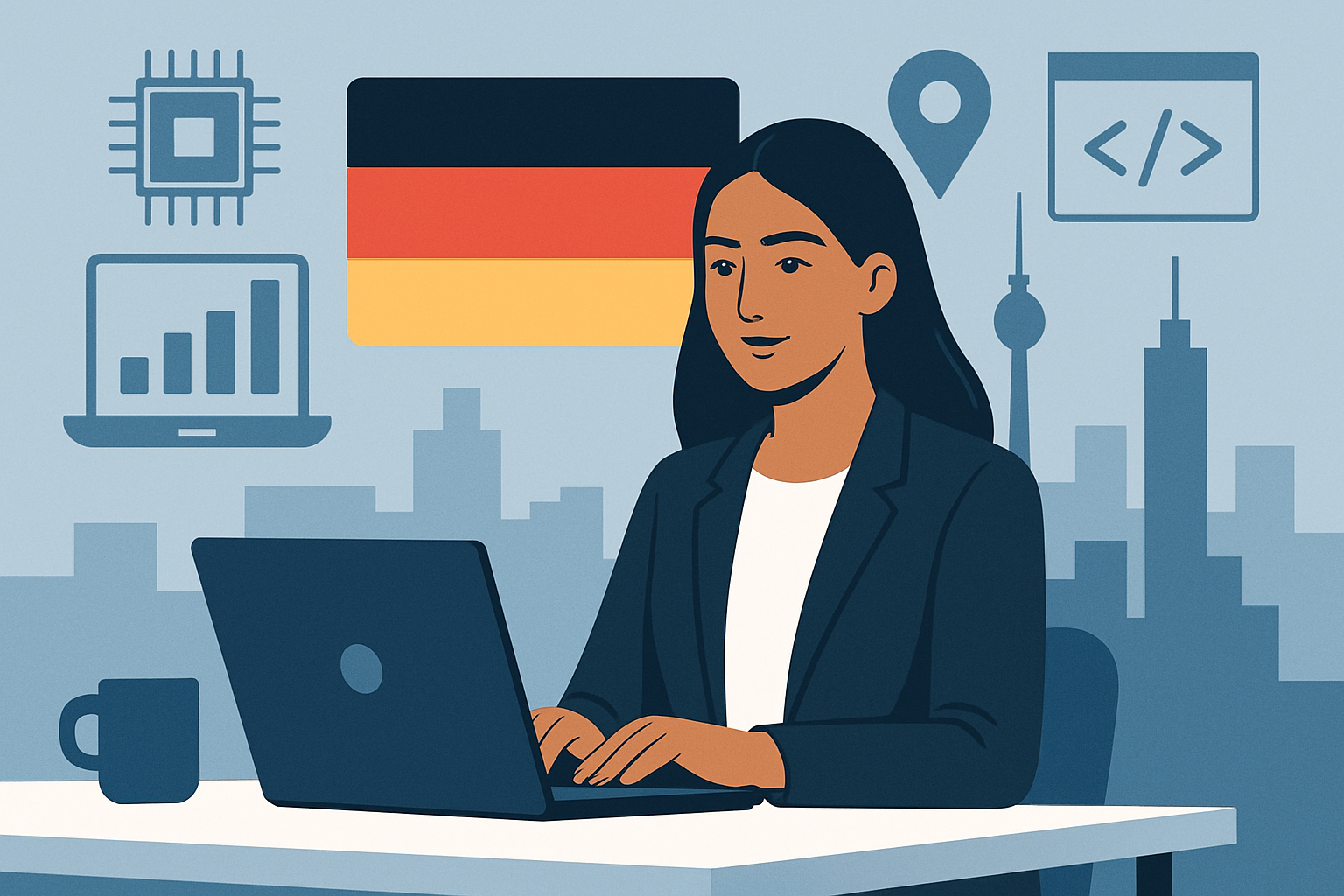

Women in Tech: Career Guide for Germany Professionals 2026
To secure a leading role in the German technology sector in 2026, women must combine technical certification with local networking strategies and a thorough understanding of regional hiring standards. This guide outlines the precise steps needed to navigate Berlin’s competitive tech ecosystem, optimize applications for German recruiters, and accelerate career growth across high-demand sectors. Related article
The Current Landscape of Women in German Tech
The demand for skilled professionals in the technology sector continues to rise across Germany, with female participation reaching record levels in recent years. Companies are actively prioritizing diversity initiatives to close historical gender gaps in engineering, data science, cybersecurity, and product management. Berlin stands at the forefront of this transformation, hosting thousands of startups, scale-ups, and multinational corporations that recognize innovation thrives when diverse teams shape digital solutions. Professionals entering the market now have unprecedented access to mentorship programs, targeted funding, and executive sponsorship designed specifically for women advancing in technology careers.
Berlin as Europe’s Growing Tech Hub
Berlin has established itself as a premier destination for tech talent, consistently ranking among the top European cities for startup velocity and venture capital investment. The city’s ecosystem spans artificial intelligence, fintech, healthtech, and sustainable engineering, offering roles that match varying experience levels and specializations. Many organizations have relocated their European headquarters to capitalize on the city’s multicultural workforce and streamlined business infrastructure. Candidates who align their skill sets with these emerging industries will find themselves positioned at the intersection of rapid growth and long-term career stability.
Key Sectors Driving Demand
Several technology verticals are experiencing accelerated hiring cycles in Germany. Cybersecurity remains a priority due to stricter data protection regulations and increasing digital transformation across traditional industries. Cloud infrastructure and DevOps continue to expand as enterprises migrate legacy systems to scalable environments. Additionally, sustainable technology and green engineering roles are multiplying as companies align with national climate targets and circular economy mandates. Professionals who develop cross-functional expertise in both software development and industry-specific compliance will command higher compensation and faster promotion pathways.
Navigating the German Tech Job Market in 2026
Securing employment in Germany requires more than technical proficiency. Recruiters evaluate candidates based on structured documentation, clear communication standards, and alignment with organizational workflows. Understanding these expectations early in the search process significantly reduces application fatigue and improves interview conversion rates. Prospective employees should familiarize themselves with local evaluation criteria while maintaining confidence in their global technical background.
Understanding Local Hiring Practices
German recruitment processes typically emphasize formal qualifications, detailed curriculum vitae formatting, and competency-based assessments. Employers expect candidates to submit comprehensive documents that highlight project ownership, measurable outcomes, and continuous learning efforts. Technical interviews often include live coding sessions, system design exercises, and scenario-based problem solving. Preparing structured examples using the STAR method ensures responses remain focused and aligned with evaluator expectations. Regularly updating your portfolio and documenting past contributions creates a transparent trail of professional growth. After refining your documentation, visit our platform to create your free profile and activate automated alerts for new openings that match your verified expertise.
Overcoming Cultural and Language Barriers
While English remains the dominant language in most technology teams, basic proficiency in German substantially increases long-term integration and leadership opportunities. Many mid-level and senior positions require functional communication skills to collaborate with cross-departmental stakeholders and external clients. Enrolling in targeted language courses tailored to professional contexts accelerates fluency and demonstrates commitment to workplace harmony. Additionally, adapting to direct feedback styles and structured meeting protocols helps build trust with local managers and peer teams. Consistent practice and active participation in team discussions establish credibility without compromising technical authenticity.
Actionable Strategies for Career Advancement
Sustainable career growth depends on deliberate planning, continuous skill development, and strategic visibility within your organization. Professionals who adopt proactive approaches to training, feedback, and role expansion consistently outperform peers relying solely on technical output. Implementing structured routines for learning and relationship building creates compounding advantages over time.
Building a Competitive Profile
Modern technology employers prioritize candidates who demonstrate adaptability alongside core technical competencies. Updating your resume to reflect quantifiable achievements, relevant certifications, and open-source contributions strengthens shortlisting odds. Highlighting experience with agile methodologies, version control systems, and collaborative development tools signals readiness for complex project delivery. Including multilingual capabilities and cross-cultural project leadership further differentiates your application in a highly competitive market. Utilizing platforms like DrJobPro to search jobs on DrJobPro ensures you receive personalized recommendations matched to your verified skill set and location preferences.
Leveraging Networking and Mentorship
Professional relationships directly influence career trajectory in the technology sector. Attending industry conferences, joining women-focused tech communities, and participating in local meetups generates referrals and insider knowledge about unadvertised opportunities. Seeking mentors who have successfully navigated similar career paths provides guidance on salary negotiation, promotion timelines, and technical specialization choices. Peer advisory groups also offer safe spaces to discuss workplace challenges, share resources, and celebrate milestones together. Building a reciprocal support network amplifies influence and opens doors to executive sponsorhips.
Legal Frameworks and Workplace Support Systems
Germany enforces comprehensive labor protections designed to promote equitable working conditions and dismantle systemic barriers. These regulations apply across all technology companies and extend to contract, freelance, and hybrid work arrangements. Understanding your statutory rights ensures you can advocate effectively for fair compensation, reasonable workloads, and inclusive team structures. Compliance frameworks also protect against unconscious bias during performance evaluations and succession planning.
Parental Leave and Flexible Working Policies
Statutory provisions guarantee extended leave periods for primary caregivers, with options to extend duration through employer-negotiated agreements. Many technology firms supplement government benefits with transitional return-to-work programs, phased reentry schedules, and dedicated lactation facilities. Hybrid work models have become standard, allowing professionals to balance intensive project deadlines with personal responsibilities. Requesting flexible hours or remote collaboration days early in your contract negotiation sets clear expectations regarding availability and output measurement. Documenting preferred arrangements in writing prevents misunderstandings and ensures consistent enforcement.
Anti-Discrimination Protections and Pay Transparency
National legislation prohibits employment discrimination based on gender, ethnicity, age, disability, or parental status. Companies exceeding certain employee thresholds must publish annual pay gap reports and implement corrective action plans when disparities emerge. Employees retain the legal right to request individual salary statements from colleagues within the same role category to verify equitable compensation practices. Raising concerns through official grievance channels triggers mandatory investigations and documented resolution timelines. Familiarity with these mechanisms empowers professionals to address inequities promptly and maintain accountability across leadership tiers.
Frequently Asked Questions
What visa requirements apply to international tech professionals seeking employment in Germany?
Skilled workers from outside the EU must obtain a Blue Card or residence permit tied to a qualified employment contract. The German government updated qualification recognition procedures in 2026 to streamline approval times for recognized IT degrees and three-plus years of professional experience. Applications typically process within four to six weeks once required documentation reaches the foreign office.
How do German tech companies measure performance and calculate salary increases?
Organizations use structured competency matrices, quarterly goal reviews, and market benchmarking to determine compensation adjustments. Base salaries are published in collective bargaining agreements for larger enterprises, while smaller firms rely on transparent grading scales that link technical mastery and project impact to pay bands. Annual increments generally range between three and five percent unless accompanied by role upgrades or exceptional deliverables.
Where can professionals find verified tech opportunities aligned with gender-inclusive policies?
Dedicated career portals filter listings by diversity commitments, remote flexibility, and leadership development programs. Browsing curated listings for jobs in Germany through trusted platforms ensures every posting meets verified compliance standards before reaching applicants. Automated matching algorithms prioritize organizations that publicly endorse equal opportunity hiring and provide transparent promotion pathways.














