

meta_description: Top Professional jobs in Location. See available roles, compensation packages, and career growth options.
Introduction
Bulgaria’s job market has evolved into one of Eastern Europe’s most dynamic economic hubs, fueled by digital transformation, foreign direct investment, and a rapidly expanding startup ecosystem. For job seekers, expatriates, and career changers, the country delivers a compelling combination of competitive compensation, favorable taxation, and a high quality of life. The technology sector drives much of this momentum, positioning Bulgaria as a strategic base for global development, innovation, and shared services. Multinational corporations and scaling startups alike are prioritizing Sofia, Plovdiv, and Varna, creating sustained demand for specialized talent. Navigating this landscape requires clarity on local compensation norms, legal pathways, and targeted application strategies. This guide outlines everything you need to know about the average salary in Bulgaria, top roles, immigration steps, and actionable tactics to land your next position with DrJobPro.
Top Jobs in Bulgaria’s Growing Market
Bulgaria’s employment landscape rewards specialized competencies, particularly within technology, engineering, and business services. The following roles consistently rank among the highest-compensated and most actively recruited positions across the country:
- Software Engineer: Architects, codes, and maintains scalable applications for web, mobile, and enterprise environments. Responsibilities include performance optimization, rigorous testing, and collaborative development workflows.
- Full-Stack Developer: Manages complete application lifecycles, bridging front-end interfaces with back-end logic, RESTful APIs, and database architecture for seamless user experiences.
- Data Scientist: Extracts strategic insights from complex datasets. Core duties involve statistical modeling, algorithm development, visualization, and translating findings into measurable business outcomes.
- DevOps Engineer: Streamlines development pipelines by automating deployments, managing containerized infrastructure, and enforcing monitoring standards that guarantee uptime and rapid iteration.
- Cybersecurity Analyst: Defends digital assets through continuous network surveillance, penetration testing, incident response coordination, and implementation of compliance-aligned security frameworks.
- Cloud Architect: Designs and migrates resilient infrastructure across AWS, Azure, or GCP. Professionals configure auto-scaling, cost governance, disaster recovery, and multi-region deployment strategies.
- Product Manager: Drives product vision from ideation to market release. Tasks include roadmap planning, stakeholder alignment, user research synthesis, and agile sprint facilitation.
- IT Project Manager: Orchestrates complex initiatives, managing scopes, budgets, vendor relationships, and risk mitigation to ensure on-time, cross-border delivery standards.
- AI/Machine Learning Specialist: Builds intelligent automation systems, trains custom neural networks, and deploys predictive models tailored to fintech, logistics, and healthcare verticals.
- UX/UI Designer: Engineers intuitive digital experiences through user journey mapping, interactive prototyping, accessibility auditing, and data-backed interface refinement.
These positions reflect Bulgaria’s shift toward high-value digital exports and provide clear trajectories for technical and leadership advancement.
Average Salary Ranges and Cost of Living
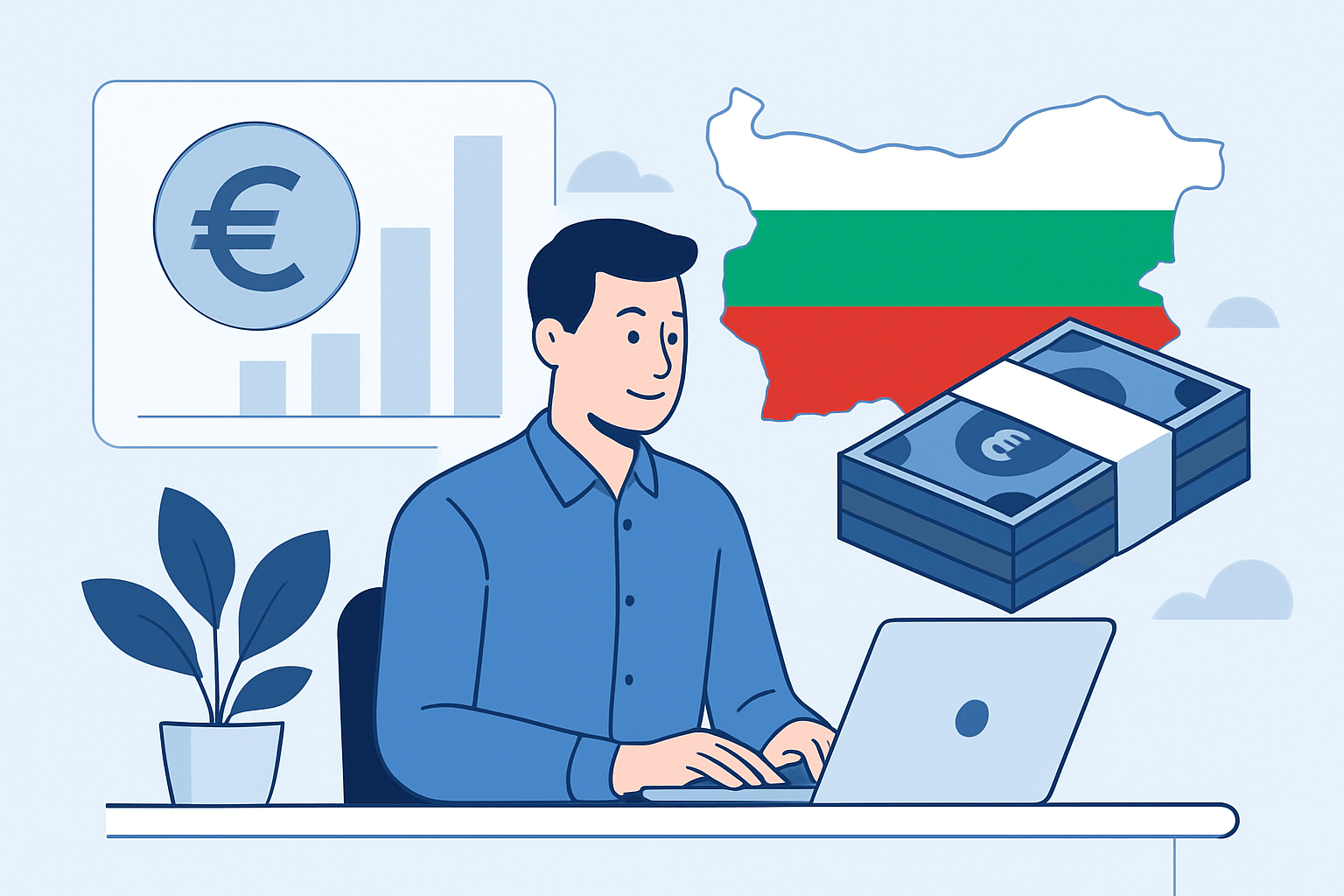
Compensation across Bulgaria scales sharply with specialization, experience, and corporate tier. Recent labor market data indicates a national average gross monthly salary between €1,400 and €1,800, though senior technical and managerial roles routinely surpass €3,000 gross. Specialized IT profiles, such as cloud architects or lead developers, commonly attract €2,500–€4,500 gross per month, contingent on certification levels, portfolio strength, and employer scale. Key variables shaping these figures include years of hands-on experience, multilingual capabilities, industry segment (BPO and software export firms typically benchmark higher), and supplemental benefits like remote work flexibility or annual performance incentives.
Evaluating offers alongside Bulgaria’s cost of living provides crucial context. Housing, utilities, transportation, and dining remain markedly below Western European thresholds. A modern one-bedroom apartment in central Sofia averages €400–€700 monthly, while public transit passes and grocery expenses are similarly accessible. This purchasing power advantage enables mid-to-senior professionals to sustain elevated lifestyles, accumulate savings, or relocate families comfortably. Prospective hires should calculate net take-home pay after Bulgaria’s flat income tax and mandatory social contributions, which collectively deduct roughly 20–25% from gross earnings. Accurate financial modeling ensures negotiated packages align with long-term personal and professional objectives.
Work Permits, Visas, and Legal Requirements
Non-EU nationals must secure proper authorization before commencing employment in Bulgaria. The standard pathway combines a Work Permit issued by the Bulgarian State Agency for Employment with a Temporary Residence Permit for employed purposes. Employers typically sponsor the initial documentation by demonstrating position necessity and labor market validation. Upon approval, candidates apply for a D-Type long-stay visa at a designated Bulgarian diplomatic mission, followed by biometric enrollment and permit collection within thirty days of arrival. Processing cycles generally span four to eight weeks, though priority routing exists for critical tech vacancies.
The EU Blue Card remains an alternative for highly qualified specialists meeting minimum salary thresholds, delivering faster residency tracking and streamlined family reunion rights. Universal prerequisites include a binding employment contract, recognized degree certifications, police clearance records, comprehensive health insurance, and proof of financial stability. Documents usually require apostille authentication or consular legalization. Bulgarian labor regulations mandate precise payroll withholding and quarterly reporting to state authorities. Partnering with accredited immigration consultants reduces administrative friction, prevents compliance missteps, and ensures timely authorization renewal throughout your tenure.
Step-by-Step Job Search and Application Process
Securing employment in Bulgaria demands a structured, locally informed strategy. Start by defining your target sector, preferred city, and compensation baseline. Conduct direct research on corporate career pages, as leading tech firms heavily favor internal applications and employee referrals over generic posting mills. Create optimized profiles on prominent regional platforms including Jobs.bg, Devbg.com, and LinkedIn, leveraging boolean searches to isolate active vacancies aligned with your technical stack and seniority level. Tailor your CV to emphasize quantifiable impact, system ownership, and cross-cultural project delivery, adhering to European resume conventions.
Next, register with established recruitment partners that specialize in tech placement and professional staffing. Agencies such as Stafflink, Robert Half Bulgaria, and TalentCore maintain exclusive pipelines with multinational enterprises seeking immediate contributors. Participate in industry conferences, developer communities, and virtual networking sessions to build referral equity. Interview preparation should focus on scenario-based problem solving, localization adaptability, and verbal communication clarity. Submit polished cover letters that articulate market familiarity and role-specific value propositions. Maintain an organized application tracker, solicit post-interview feedback, and remain open to hybrid or asynchronous arrangements. Consistent execution across these phases dramatically increases interview velocity and offer conversion rates.
Frequently Asked Questions
What is the standard probation period in Bulgaria?
Employment contracts typically enforce a three-month probation window, though executive or highly regulated technical positions may extend it to six months under explicit contractual clauses. Either party may dissolve the agreement with abbreviated notice during this evaluation phase.
Are English-only roles accessible across the country?
Yes. Sofia and Plovdiv host extensive multinational campuses, shared service hubs, and software houses where English functions as the official workplace language. Remote-first policies further reduce mandatory local language dependencies.
How do I navigate healthcare enrollment as a foreign hire?
Mandatory state health insurance is automatically withheld from payroll, granting full access to the national medical framework. Most tech employers additionally provide supplementary private medical plans, dental coverage, and preventive care allowances.
Can I bring my family immediately upon signing a contract?
Family reunification requires separate authorization but proceeds efficiently once employment is formalized. Spouses and dependent children may apply for residence permits concurrently, provided housing and financial criteria satisfy immigration guidelines.
Related Resources














