

How to Follow Up After a Job Interview in Kuwait
How to Follow Up After a Job Interview in Kuwait
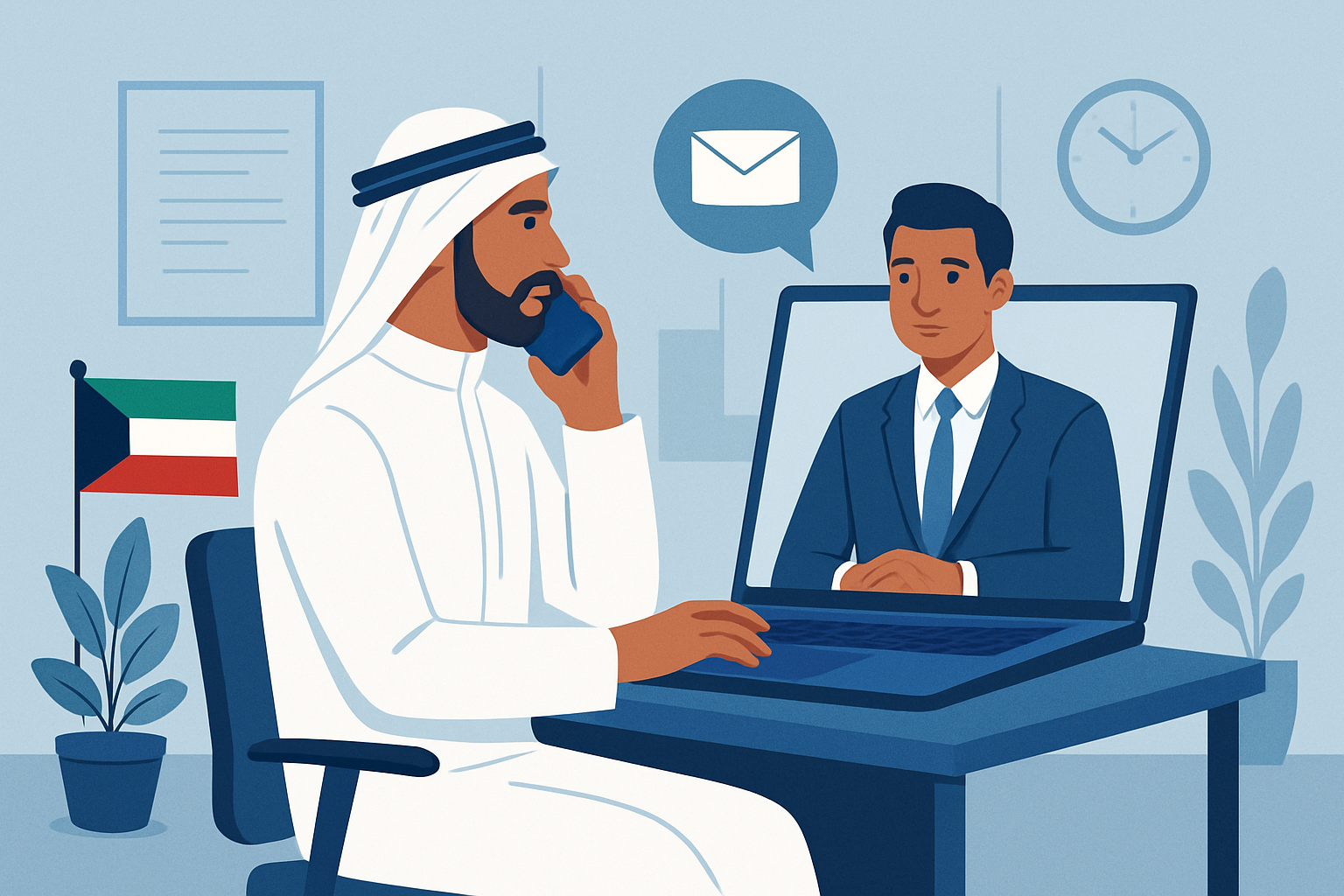
To follow up after a job interview in Kuwait, send a polite email within twenty-four to forty-eight hours that reiterates your interest, addresses any unanswered questions, and thanks the interviewer for their time. This straightforward approach aligns with standard hiring practices across Kuwait City while respecting local business communication norms.
Why Timing Matters in the Kuwaiti Job Market
In Kuwait’s competitive recruitment landscape, how quickly you respond after an interview signals professionalism and genuine interest. Employers in Kuwait City typically expect candidates to demonstrate reliability without appearing overly persistent. Understanding the local rhythm of business operations will help you position yourself favorably among other applicants. Hiring cycles move steadily, and decision-makers appreciate candidates who respect established procedural boundaries.
The Twenty-Four to Forty-Eight Hour Rule
Sending your follow-up message within two business days remains the gold standard in 2026. Hiring managers review dozens of applications daily, and a timely note keeps your candidacy fresh in their minds. Delaying beyond this window can signal uncertainty or reduced enthusiasm, while sending it too early may interrupt their internal evaluation workflow. Recruiters often consolidate candidate updates on Monday mornings, so Thursday morning or Friday morning submissions tend to land at optimal moments.
Respecting Local Business Hours and Holidays
Related: Cultural Interview Norms and Etiquette in Kuwait
Kuwait operates on a Sunday through Thursday workweek, with Friday and Saturday reserved as the weekend. Align your follow-up timing with this schedule to ensure your message lands during active working hours. Avoid sending messages late Thursday evening or over the weekend, as many companies observe a mid-week pause from administrative tasks. Public holidays such as National Day and Eid periods also pause most recruitment activity, so plan your outreach accordingly. Checking the official holiday calendar before scheduling your note prevents unnecessary delays.
Crafting Your Follow-Up Message
A well-structured follow-up communicates confidence, attention to detail, and cultural awareness. Your message should be concise, personalized, and aligned with the interview discussion. Professional platforms make it easier to track which roles you have applied for, so always reference the specific position before drafting your note. Candidates who search for find interview-ready jobs maintain organized application records that streamline every stage of the hiring process.
Email Versus Phone Calls in Kuwait
Email remains the preferred communication channel for formal follow-ups in Kuwait. It provides a written record that recruiters can easily forward to senior leadership or human resources departments. If the interviewer explicitly invited you to call, keep conversations brief and focused on confirming next steps. Reserve phone calls for urgent clarifications, and always leave a professional voicemail if the line goes straight to reception. Many corporate offices in Kuwait rely on automated call routing systems, making email the most reliable delivery method.
What to Include in Your Note
Related: Kuwait Work Visa 2026 — Work Permit Guide for Expa
Every follow-up message should contain four essential components. Open with a clear subject line that mentions the role and your full name. Express gratitude for the interview experience within the first two lines. Reiterate one specific skill or project discussed during the meeting to reinforce your fit. Close with a polite request for timeline updates and your contact information. Keep the entire message under three short paragraphs to respect the reader’s time.
Cultural Nuances You Must Know
Communication styles in Kuwait blend modern corporate standards with traditional respect for hierarchy and relationship-building. Use formal titles such as Mr. or Ms. until instructed otherwise, and avoid overly casual language even if the interviewer was friendly. Demonstrating patience and consistency shows that you understand long-term commitment matters more than quick wins. Professional networks thrive on mutual respect, so maintain a courteous tone regardless of the response speed. Directness is valued, but it should always remain polished and solution-oriented.
Building Professional Relationships
Long-term career success in Kuwait often depends on how you nurture contacts after interviews. Connect with recruiters on professional networks using a personalized invitation that references your conversation. Share relevant industry insights sparingly to position yourself as a knowledgeable resource rather than just another applicant. These relationships frequently lead to referrals when additional positions open at partner organizations or competing firms. Consistent, low-pressure engagement establishes trust over months rather than days.
Navigating the Waiting Period Effectively
Following up does not mean constant messaging. A strategic balance between persistence and patience distinguishes successful candidates from those who damage their chances through overcontact. Track your application status systematically and adjust your outreach frequency based on employer feedback patterns.
When to Escalate or Withdraw
If you receive no response after ten business days, send one final polite inquiry referencing your previous message. State clearly whether you are maintaining interest or exploring alternative opportunities. Should you secure another offer, notify the employer promptly so they can reallocate resources efficiently. Transparency strengthens your reputation and leaves the door open for future collaboration. Never ghost a hiring team, as the Middle Eastern professional community shares information discreetly but reliably.
Leveraging Verified Job Portals
Staying active on reputable employment sites ensures you never miss secondary rounds or alternative openings. Many companies post updated requirements after initial interviews, giving candidates a chance to refine their submissions. Browsing curated jobs in Kuwait allows professionals to compare compensation packages, company cultures, and growth trajectories side by side. Consistent engagement with legitimate platforms also signals to recruiters that you prioritize career development and market awareness. Automated alerts help you react quickly when roles reopen or gain urgency.
Preparing for Next Steps
While awaiting confirmation, continue refining your portfolio, certifications, and technical skills relevant to the target role. Research recent company announcements, leadership changes, or sector developments in Kuwait to stay prepared for potential second interviews. Practicing scenario-based responses builds confidence and demonstrates readiness for advanced assessment stages. Early preparation reduces anxiety and positions you as a proactive candidate who values continuous improvement.
Mastering Written Communication Standards in 2026
Digital correspondence has evolved significantly, yet core principles remain unchanged. Recruiters scan messages quickly, so visual clarity and logical flow determine whether your note receives full attention.
Structuring Subject Lines That Guarantee Opens
Subject lines should mirror corporate naming conventions used across Kuwait City businesses. Include your name, the job title, and the phrase following interview. Avoid creative puns or excessive capitalization, which can appear unprofessional in formal environments. Example formats work best because they match existing email filters and priority sorting rules.
Choosing the Right Tone and Language Level
English dominates multinational corporations, while Arabic remains essential for government agencies and family-owned enterprises. If the interview was conducted in English, maintain that language throughout your follow-up. Use precise terminology and avoid colloquialisms that could translate poorly or create ambiguity. Formal greetings like Dear Mr. Al-Sabah followed by a clear sign-off maintain appropriate distance while demonstrating courtesy.
Navigating Government and Private Sector Differences
Recruitment timelines and communication expectations vary dramatically between public institutions and private enterprises. Recognizing these differences prevents misaligned follow-up strategies.
Public Authority Recruitment Cycles
Government ministries and state-affiliated organizations operate on fixed recruitment schedules with strict compliance requirements. Follow-up emails should reference your application reference number and submitted documentation accurately. Responses may take longer due to multi-level approvals, so extend your patience threshold to three weeks before considering secondary outreach. Maintain meticulous records of all correspondence for audit purposes.
Multinational Corporate Expectations
Private sector employers and international branches in Kuwait move faster and value agility. Decision-makers often combine interview feedback immediately, making rapid follow-ups highly effective. They appreciate candidates who demonstrate adaptability and cross-functional awareness. Mirror the pace of their internal communications while maintaining professional decorum. Speed should never compromise accuracy or thoroughness.
Common Mistakes to Avoid
Even minor errors in follow-up etiquette can derail otherwise strong interview performances. Never criticize previous employers or express frustration about delays, as these comments reflect poorly on your professionalism. Avoid copying multiple team members unless explicitly permitted, since excessive recipients dilute accountability and may violate privacy expectations. Finally, skip generic templates entirely, because recruiters instantly recognize mass-produced messages that lack personalization.
Optimizing Your Digital Presence Before Contact
Recruiters frequently review online profiles after receiving follow-up communications. Ensure your professional network page displays updated accomplishments, verified credentials, and measurable achievements aligned with your target industry. Clean formatting, consistent dates, and accurate location details prevent confusion during background verification processes. Taking these steps before sending your note guarantees that every touchpoint reinforces your credibility.
Final Checklist for Success
Review your draft against a structured list before clicking send. Confirm correct recipient names, accurate job titles, and proper company spelling. Attach any requested documents only when mentioned, and keep file sizes under five megabytes to avoid delivery failures. Once sent, archive the message in your application tracker and set a reminder for your next planned contact. Systematic organization eliminates guesswork and maintains momentum throughout the hiring cycle. Register today to create your free profile and manage all your follow-up tracking in one centralized dashboard.
Frequently Asked Questions
How soon should I send a follow-up email after interviewing in Kuwait?
Send your follow-up email within twenty-four to forty-eight hours of the interview ending. This timeframe aligns with standard recruitment workflows in Kuwait City and ensures your message reaches hiring managers during active business hours.
Is it acceptable to call the recruiter directly instead of sending an email?
Calling directly is acceptable only if the interviewer explicitly provided a phone number and encouraged verbal communication. Otherwise, email remains the preferred method because it creates a documented trail that human resources teams can reference during internal evaluations.
What should I do if I do not receive a response within two weeks?
Send one final concise message asking whether the position remains open and indicating if you continue to pursue it. If the employer still does not reply, shift your focus to new opportunities while preserving a respectful connection for potential future roles.














