
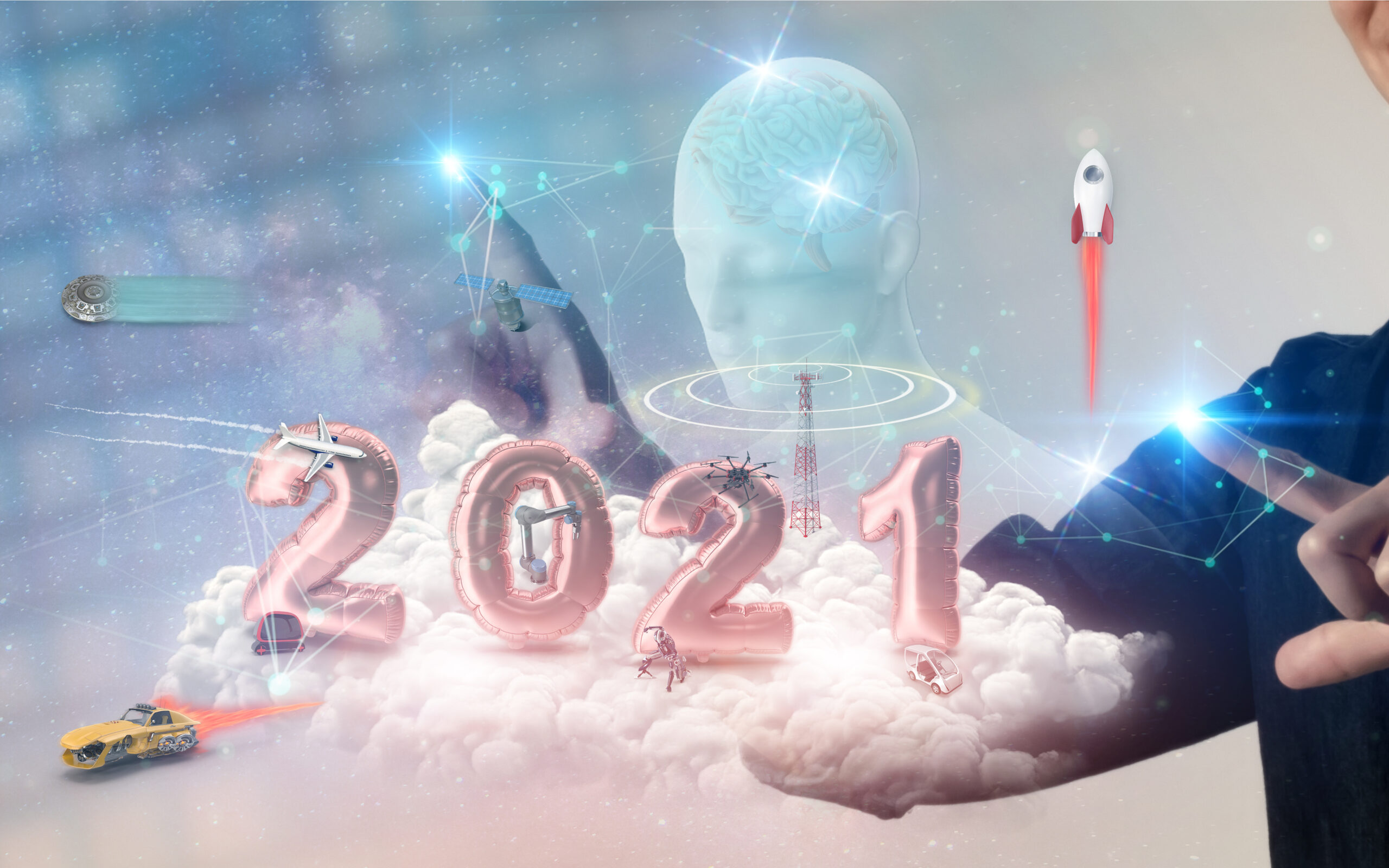

By the end of 2019, all the world experts set plans optimistically for 2020, emphasizing the importance of economic diversification in the GCC. Dubai was eagerly waiting for Expo 2020, which was expected to change over the UAE’s economy, and Saudi Arabia had allowed tourists to enter the country for the first time.
- Expert-backed insights updated for 2025
- Actionable steps you can apply immediately
- Data-driven advice from DrJobPro hiring trends
Last Reviewed: April 2026 | Sources: DrJobPro Hiring Data Q1 2026.
- وظائف للأجانب في السعودية 2025 — الدليل الشامل
- Jobs in Saudi Arabia for Expats: The Complete 2025 Guide
- أعلى الرواتب في السعودية 2025 — دليل شامل بالأرقام الحقيقية
- Highest Paying Jobs in Saudi Arabia 2025 (With Real Salary Data)
- 9 Work From Home Application Tips That Work
Suddenly, Covid-19 hits the world!
The result was global economic
recessions, millions have lost their jobs, 1.6 million deaths, and our lives
turned to be “at home.”
2020 was a challenge for our
endurance and adaptation to the radical changes that came to our lives and
jobs.
Although we will start 2021 with the
light of hope that the vaccine is near, we experience the post-pandemic
period’s challenges.
A new phase that will shape our
present as well as our future.
These challenges include creating 17
million full-time job opportunities lost across the Arab countries and
overcoming high poverty rates affecting a quarter of the population.
This article offers a range of
forecasts and insights from industry leaders, influencers, and active experts
who have shared significant trends that they expect will shape the world and
the GCC in 2021.
- Stay Tuned for Global Slowdown Part 2
As the year of surprises is about to
end, economists predict a significant shock for 2021 as the economic recession
in 2020 was just an opening act.
According to Ernie Tedeschi, an
economist, the current economic slowdown has resulted from a simultaneous global
shutdown due to the spread of the covid-19, which led to circumstances that
resulted in the recent profound recession.
This recession has resulted in many
problems that face all industries not affected directly by the endemic. People
are now suffering a million job losses, market challenges, and investment
declining. Many layoffs were initially identified as “temporary,” but
they are “permanent.” The rate of unemployment is surging as a prominent
feature of the economic crisis.
According to Campbell Harvey, an
economist, the most considerable challenge for 2021 will be the implication of
the “double-dip” downturn.
The economist Mohamed El-Erian has
affirmed that the probability of the second wave of the economic recession is
exceptionally high as per data-driven from manufacturing and service
industries.
The economic recession has a human
touch. The UN is asking for $35 billion to help its relief efforts, forecasting
that around 235 million people will need its aid in 2021, about 40% more than
2020.
Kristalina Georgieve, head of the
IMF, said that the revival from this long year global recession would be hard,
unsure, expect to face failures, and the path to foster a future, sustainable,
and balanced economy will be slow challenging.
- Macro Environment to Stay Challenging in The GCC
The IMF predicts an economic
recovery in the GCC in 2021, foreseeing that the Saudi economy will rise at
3.1% and the UAE at 3.3%. However, the macro environment will still be challenging
due to the ongoing crisis of oil price fluctuations and the economic effects of
the Coronavirus.
Alessia Berardi, Head of the macro
and strategy analysis, said that the United Arab Emirates has sufficient
resources to sustain its capital spending plans in 2021. Abu Dhabi will be a
supporter of the other Emirates by offering loans and transfers to support mega-events
like Expo 2020 or small businesses.
On the other hand, Saudi Arabia’s
private sector is expected to remain weak, with high layoff rates and VAT
implementation.
- Expo 2020 Will Be The Key to The UAE’s Recovery
The 6- month mega event, expo 2020, that will take place on 1 October 2021 after its cancellation in 2020, is the big hope for many sectors aiming to revive in Dubai. The property sector comes at the top of the list.
Hussain Sajwani, CEO of Damac Properties,
expects a positive change in the market when it starts in October 2021.
With the calendar of Dubai tourism
events in fields like technology, entertainment, and architecture that aim 25
million visitors, tourism will flourish.
Fitch Solutions is expecting a 3.8%
growth in the Dubai economy due to the event.
Expo 2020, declining of the US
dollar, reforms implementation will boost economic growth in 2021, said Alessia
Berardi.
- Tourism Will Significantly Recover in The GCC
Tourism is one of the main sectors
that have encountered devastating effects of Coronavirus. In 2020, Gulf
countries had effective strategies to achieve economic diversification, and
Saudi Arabia was welcoming tourists for the first time.
Then Covid-19 arrived, shifting
plans and predictions of how the sector will return. Although the pandemic,
Saudi Arabia keeps its 2021 goals unchanged. Experts expect that tourism will
turn into more internal flights, putting safety as a priority.
- AI Will Be Governments’ Trend
Although it was difficult to expect
it, AI has undoubtedly proven its tremendous impact to restrict the spread of
the Coronavirus. In the GCC, for example, applications have been used to detect
affected persons, perform testing, and fight rumors.
AI was a big supporter of
governments, and it will continue to support the Middle East’s government’s
budgets by around 7 billion dollars/ year. Governments start to understand its
vitality.
As per Reportlinker.com, AI,
cybersecurity, and data analytics are projected to expand at an annual rate of
20% by 2025 in the MENA. These statistics will be supported by governments’
efforts to spend on AI in the area. Gulf countries also start to lead the world
in this sector.
Although the pandemic has
demonstrated the critical need for artificial intelligence, it has also
reopened the controversy around how to regulate its use to protect the user’s
privacy.
- Retailers Will Change Debt Markets
In 2020, retail buyers have been at
the forefront of the scene. Their transactions have accounted for a third of
overall transactions this year, contributing to flourishing economic markets.
Feras Jalbout, founder and CEO of Wamda,
said that the world is witnessing a retail investor revolution, which is
expected to continue to evolve with the democratization of all sorts of money.
- Fintech is On The Rise In 2021
Some fintech firms illuminated the
dark stages of the corporate world in 2020 as lockdowns and social distancing
pushed the world into a full digitalized world.
However, that wasn’t the case for
all of them.
According to Clifford Chance,
Fintech is expected to top $2.5 billion in the Middle East by 2022, and the
industry still faces significant consumer opposition, regulatory and
organizational challenges.
For example, the disease outbreak
and its confusion caused consumers to be more vigilant about exchanging
financial information to third parties, providing them with more customized
financial services. In a LinkedIn poll conducted by Tarek Daouk, CEO of MENA
Dentsu, 80 percent of the 429 participants said they’re disappointed to do so.
But this prudence will fade away as
consumers realize the importance of their Data, says KPMG, which will force
banks to implement transparent models more rapidly. ‘It is not a matter of
whether or not you would have to contend with the consequences of open banking.
You can do it. The concern should be if you’re able to make the best of
it,” adds the study.
- The Pandemic Would Introduce A New Generation of Entrepreneurs
The Last decade’s Economic Downturn
triggered a surge of entrepreneurial spirit when rising unemployment inspired
entrepreneurs to follow their ideals rather than focus on a volatile labor
market.
As the pandemic has weakened local
markets worldwide and thrown millions out of jobs, an entrepreneurial revival
is initiated. “We’ll start to see more people come off the career ladder
and create their own company. Maybe at an increasing rate that we haven’t seen
before, said Lucy Chow, UAE senator for the World Business Angels Investment
Forum.
The transition from worker to
businessman has already started. With dozens of restaurants and stores
indefinitely shut down without a possible return, the frontline staff is
launching mobile hair salons and online fitness courses. According to the US
Data from the Census Bureau, new company applications that would-be people in
business have to register for taxation purposes have soared, expanding by 38%
year-over-year as of mid-November.
- Employees’ Mental State Matters
Companies know that employees’
mental health problems are increasing, and they have to do something about it.
Conversation on emotional well-being will have to be given priority at work
more than ever. Businesses will begin to raise their budgets to promote
employee health services during and after the pandemic.
In the UAE, 86 percent of the
workers report that the pandemic has adversely impacted their mental health,
according to a survey by Oracle. In contrast, 77 percent said they would rather
speak to the AI about their mental health than their boss. Companies would need
to have several opportunities and tools to fulfill their duties productively in
a too demanding climate during the pandemic.
- Offices Will Be Redesigned To Attract Employees
After a year of operating from home,
the dynamics of authority have changed. Companies would need to give staff an
incentive to go back to the workplace. Spaces will be redesigned for what
employees have been missing all along: human interaction, and maybe some
relaxation, too.
Experts suggest that the offices
will work in two main ways: as areas where individuals meet for empowerment,
personal growth, and culture; and as clubhouses where they come together to
interact and feel at home. In all cases, employees are not going to gather in
offices five days a week. This transformation won’t merely be psychological; it’ll
be physical, too.
Collaborative spaces alone will not
be enough to bring people back, Van Matre says. ” Van Matre states that
firms would want to explore setting up offices in unusual locations, such as
remote, scenic areas more aligned with recreation, providing
“recovery” for employees.
- The 9-to-5 Will Be A 3-2-2
Company executives are being pushed
to reconsider how their businesses can survive in a post-pandemic environment.
One of the biggest questions they’re going to face? Where—and when—the workers
will work.
By the time it’s healthy to head
back to the workplace, many employees would have spent a year or more working
at home. And many people love free time and versatility. Companies can
encourage workers to work from home for two or more days a week, with some
opting for three days in the office, two days out, and then two days off—a
3-2-2 workweek, if you want—according to Ashley Whillans, professor at Harvard
Business School. Any workers could also be limited to a full four-day workweek.
- Virtual Events Will Be The Coming Reality
Events are among many of the
practices that have switched to Zoom and virtual meeting sites. Many of the leading
Gulf activities, including the G20 summit hosted by Saudi Arabia, have been
virtualized this year in the presence of a stop to significant events.
Networking and informal side chats will find a place online after organizers
have quickly adapted to a technology that can host and Livestream a massive
event.
But the imposed change could have
alerted everybody of the main benefit of online activities globally; broader
attendance. Participants will have more opportunities to connect to a more
extensive network and engage in activities that may have been more difficult to
access previously.
“Data is revealing an enormous
growth in demand for online events, and it has been exciting to see the
creative ways in which event producers are using our site. We expect online
activities to continue to play a significant role in post-pandemic events.
- Leaders’ Characters Are The Key Factor For Their Success
Because we try to resolve a global
pandemic and an economic crisis, the leaders’ position will be as important as
their competence. Servant leadership will be a strategic edge in 2021.
Psychologists find that servant
leaders are more concerned with precariousness and purpose in the face of
challenges to our work and futures. They look for a sense of trust that their
workers are safe and a sense of commitment to a cause greater than themselves.
Servant leaders are givers, not
takers—we may depend on them to set our needs before their own. They understand
that people are not the most valuable resource in a business; they are a
company.
They are not micromanagers. They
value the employee and don’t lay him off as dropping a hat, and they are
flexible, create growth and advancement opportunities, our supporters, and are
Human.
Are you ready for the coming trends in 2021? For more career tips that will help you adapt easily, check this.
For a dream career, click here.
Frequently Asked Questions
What is the key insight on 13 Trends That Will Shape The World and The GCC In 2021?
This guide is based on current DrJobPro hiring data and regional labour market research updated for 2025.
How do I find relevant jobs?
Browse DrJobPro at drjobpro.com/jobs — filter by location, salary, and experience level.
Is this advice current for 2025?
Yes. All data is reviewed quarterly using live hiring data from DrJobPro.














